 The Art, Provenance and History of Faux Bois - Part 2
 Allez les Bleus at Jardin de France
The Art, Provenance and History of Faux Bois – Part 3
Nico’s Notes
Here we are at the third and final part of my series about the art form and provenance of faux bois!
In Part 1 I explained:
- what exactly faux bois is
- we met Frenchman Joseph Monier
- and we learned about Monsieur Monier’s contributions to concrete and his legacy of modern faux bois
In Part 2 we went over:
- rocaillage and the true inventors of faux bois
- the history of the renovation of Paris
- and how important that renovation is to the story of faux bois
Now at this final entry, I’ll go over Art Nouveau and WW1’s impact on faux bois, and how the art form lives on today.
On y va — let’s go!
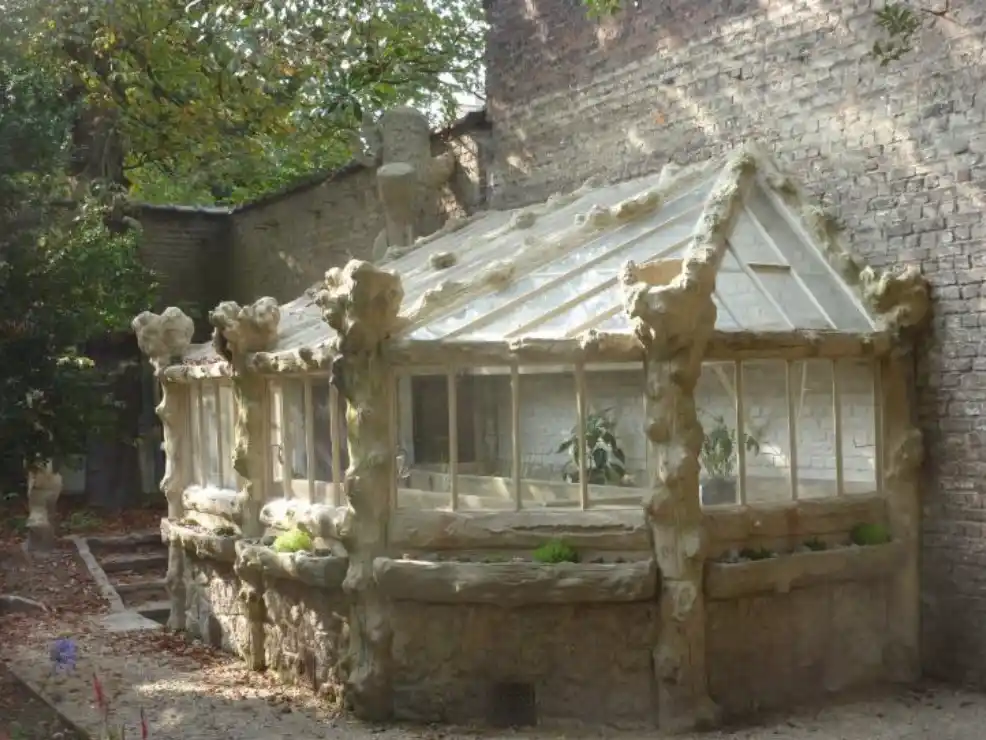
Bienvenue Art Nouveau!
The Art Nouveau movement is centered in beauty and inspiration found in nature, and when it arrived on the cultural scene in 1890(ish), it only helped to fuel the popularity of faux bois. The growing wealthy bourgeoisie in both France and Belgium were looking to embrace a romanticized, man-made nature in their newly acquired country homes, and rocaillage firms were never in higher demand.
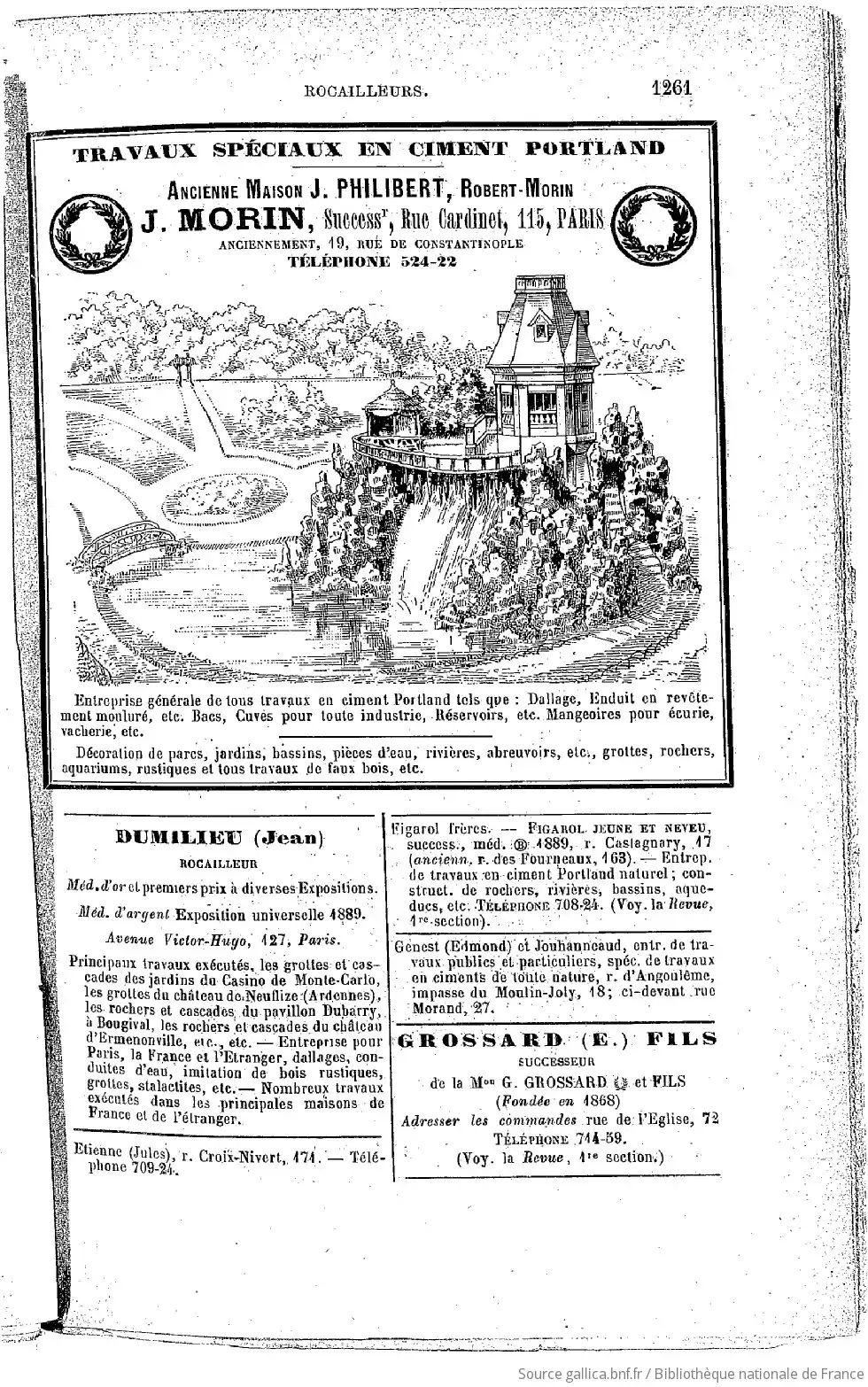
Here are 3 separate advertisements for prominent rocaillage firms, all taken from a 1901 Parisian classified ads journal. (Image Credit: Bibliothèque Nationale de France Digital Archives)
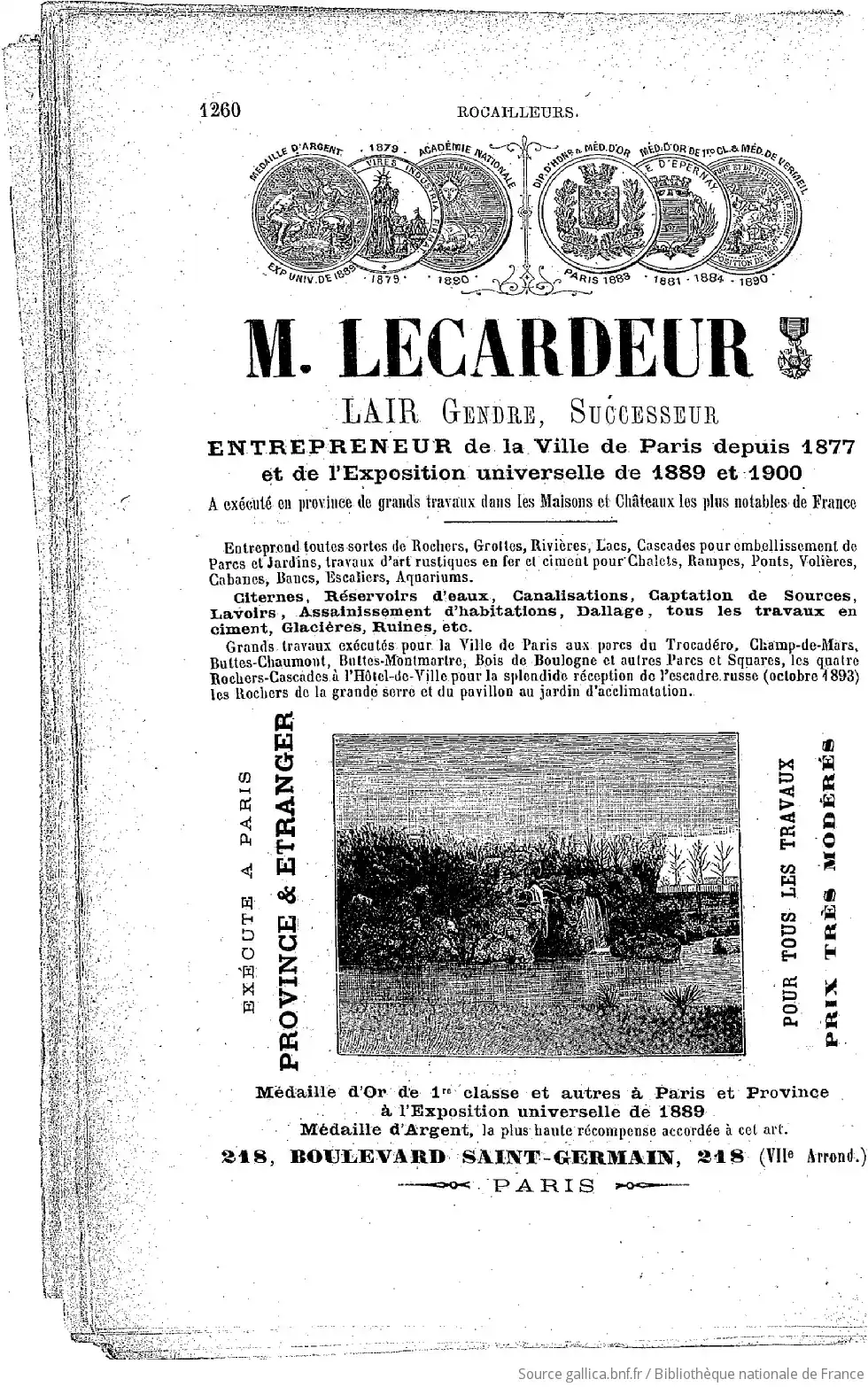
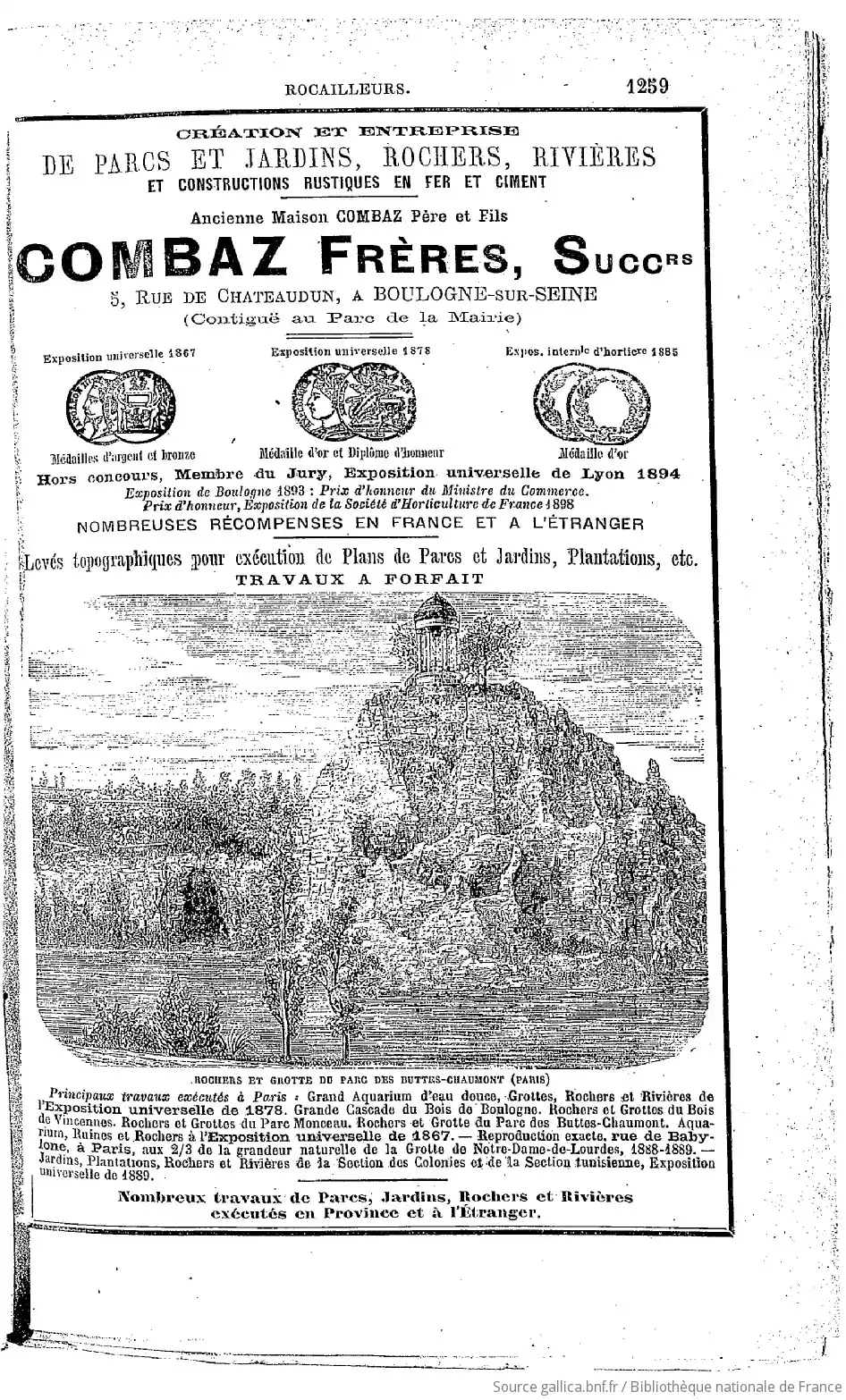
Notice in the third advertisement for Combaz Frères the cliffs of Parc des Buttes-Chaumont — they were the firm that was hired to create the rocaillage of many of Napeolon III’s new parks.
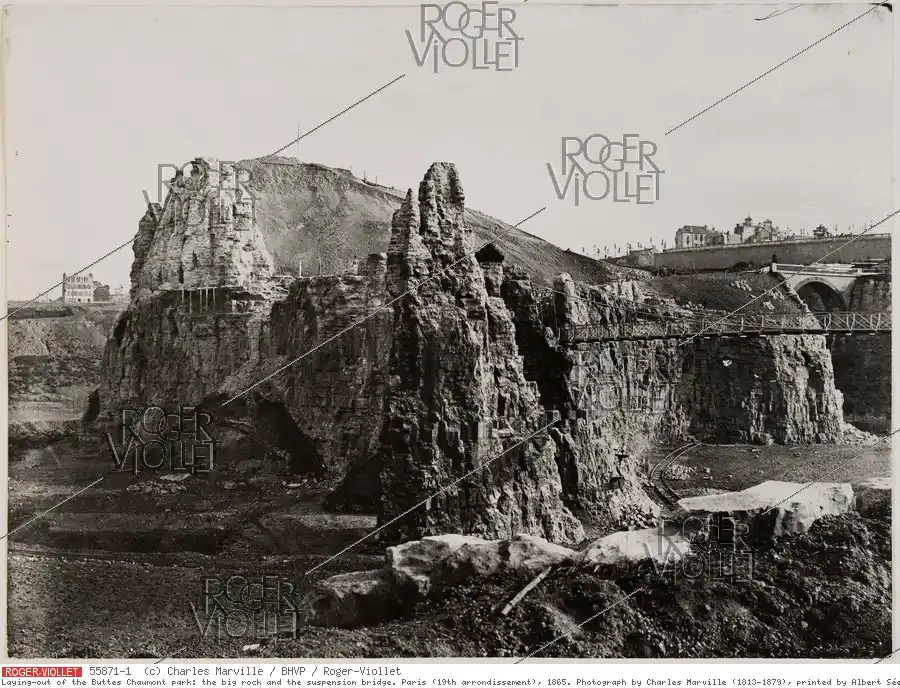
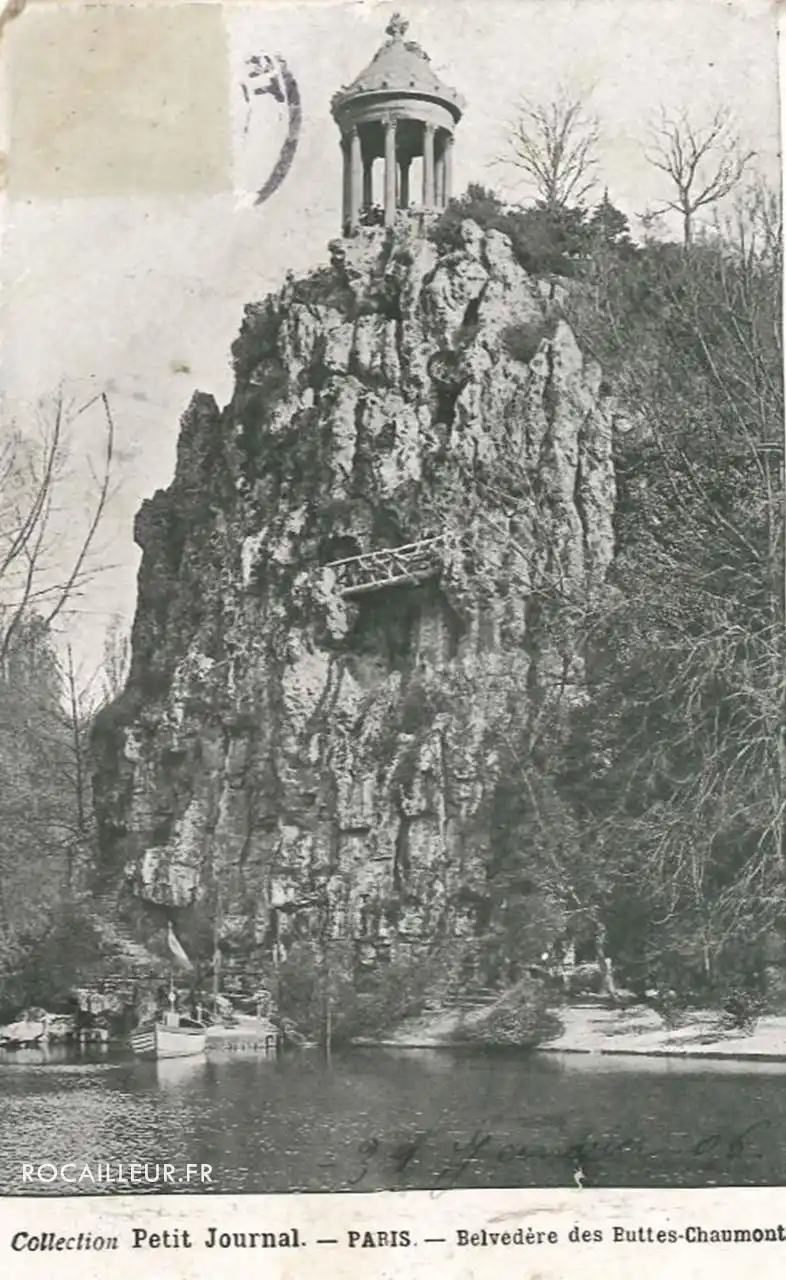
This entire movement and related trends took place during La Belle Époque – a period during which optimism, prosperity, artistic blooming and general confidence in modern life flourished.
The end of faux bois’ golden age
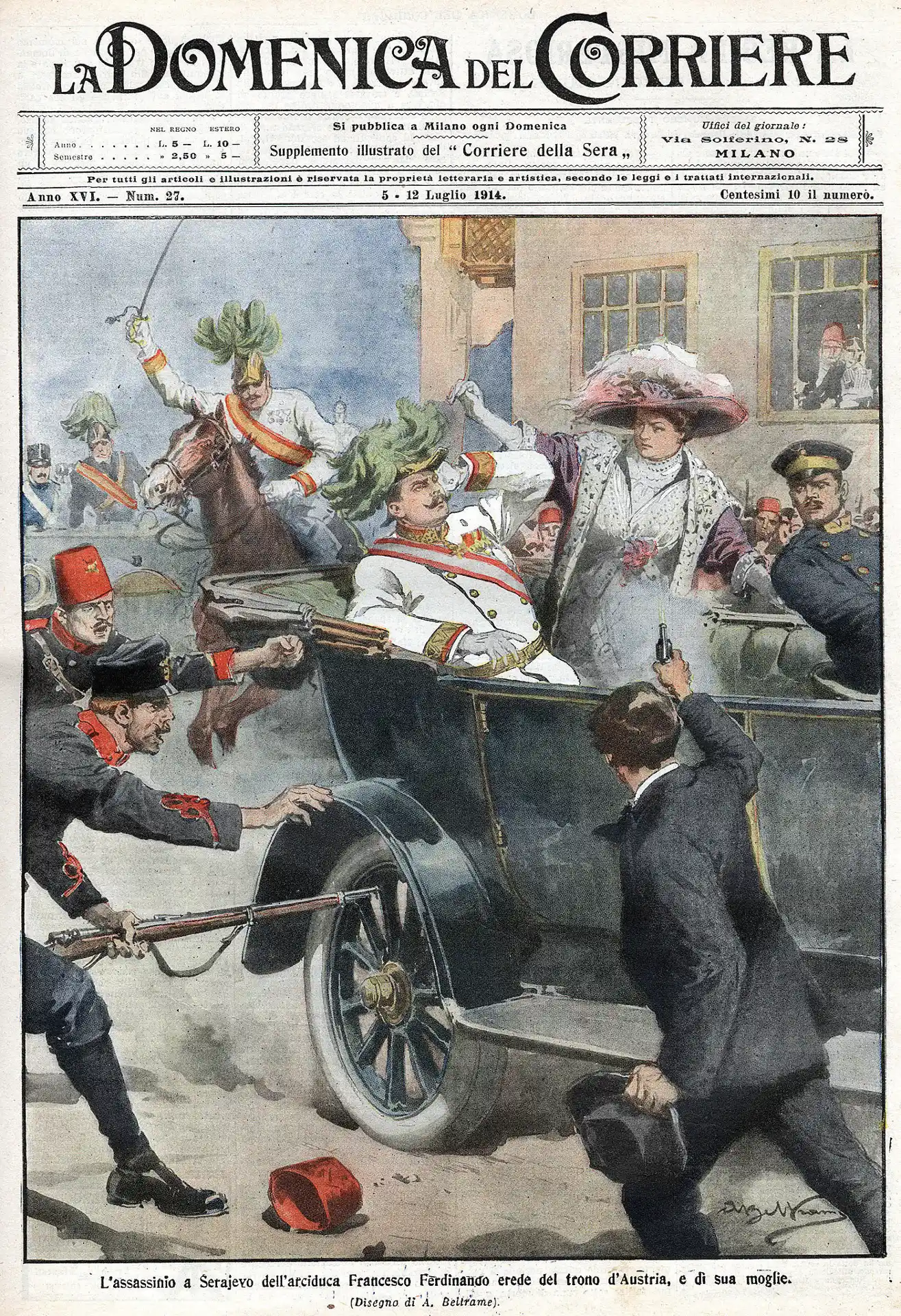
In 1914, the assassination of Austrian Archduke Franz Ferdinand exploded a societal powder keg in Europe and quickly plunged the entire continent into war. WW1, La Grande Guerre, had arrived, and the beautiful era of La Belle Époque — the golden age of Art Nouveau and faux bois — came crashing down.
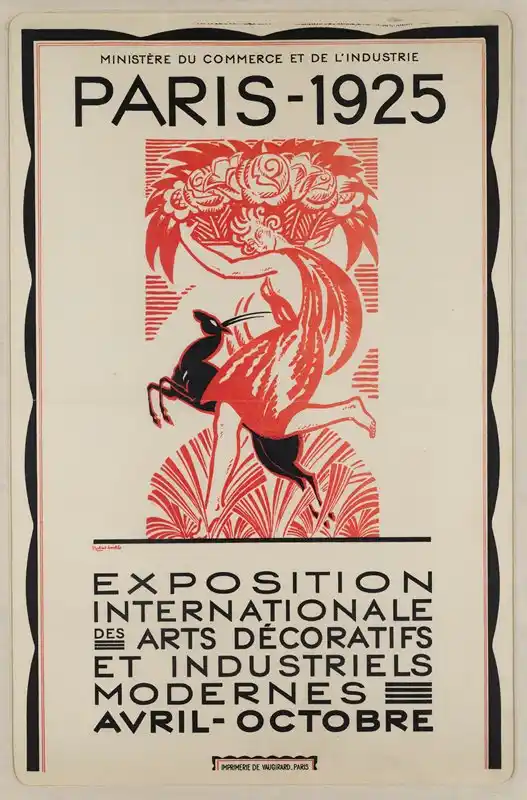
After the end of the horrific war in 1918, the cultural fascination with a romanticized and whimsical nature had completely vanished, instead replaced by a theme of machines and technology. This universal, mechanical trend was soon embodied by the sleek Art Deco movement of the early 1920s.
Crossing Continents
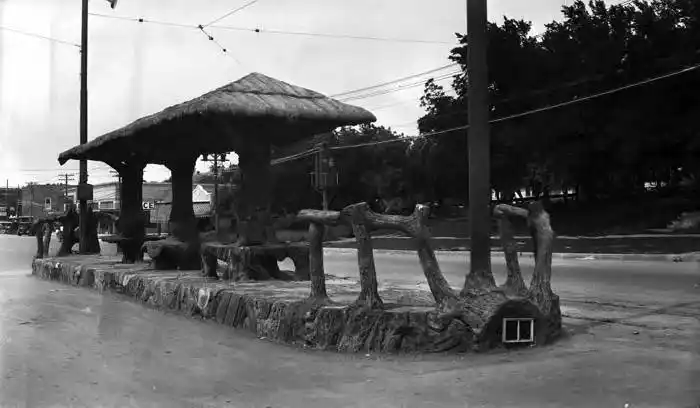
While faux bois may have faded from the height of its popularity in Europe by the time of Art Deco’s arrival, the craft was continued in Mexico and other countries, carried on in the trabajo rústico tradition — rustic sculptural work with concrete to craft imitation wood and rock.
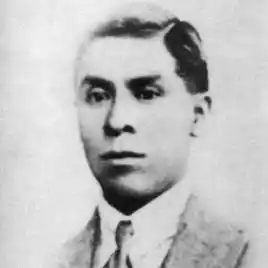
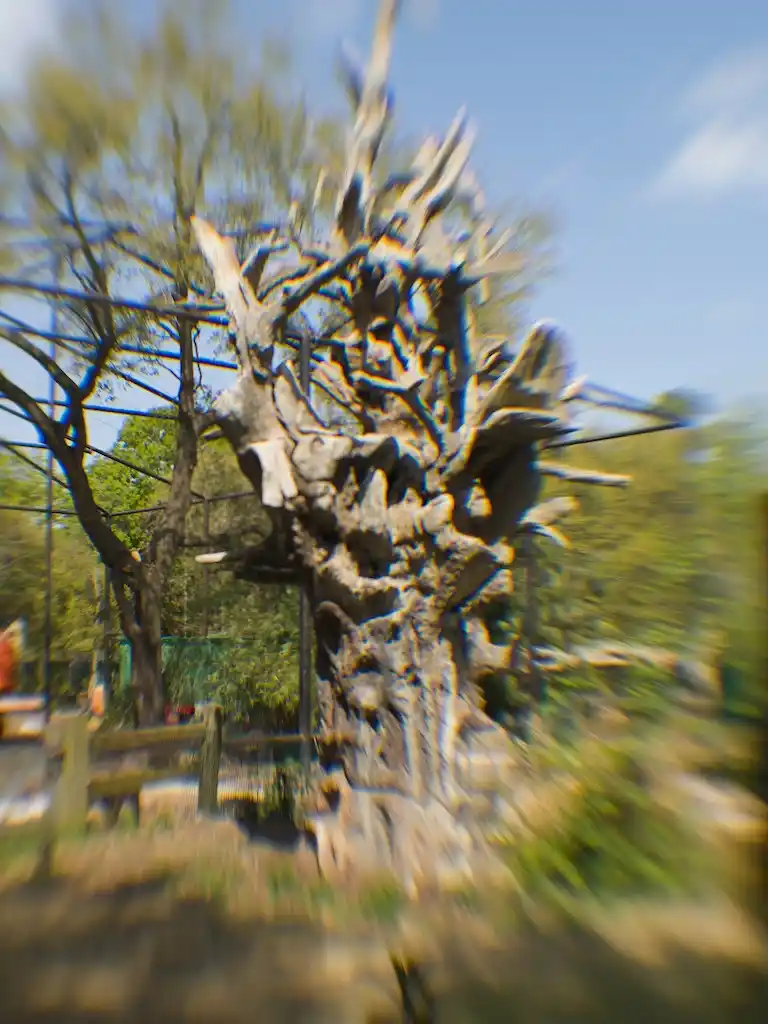
Mexican-born trabajo rústico artist and architect Dionicio Rodríguez moved to San Antonio, TX, in 1924, and is credited as one of the most well known artisans to continue the tradition of faux bois in America. Many of his faux bois works are listed in the National Register of Historic Places, and in fact, he even has sculptures at our Houston Zoo!
Faux Bois Today
Like any design trend, the popularity of faux bois has ebbed and flowed, but a simple tag search for #fauxbois on Instagram shows that the aesthetic is still going strong. From artisans who continue the craft of faux bois, to dealers who source original European pieces, to everyday folk who just enjoy the art form, faux bois is a design language that will always be seated at the timeless table of great style.
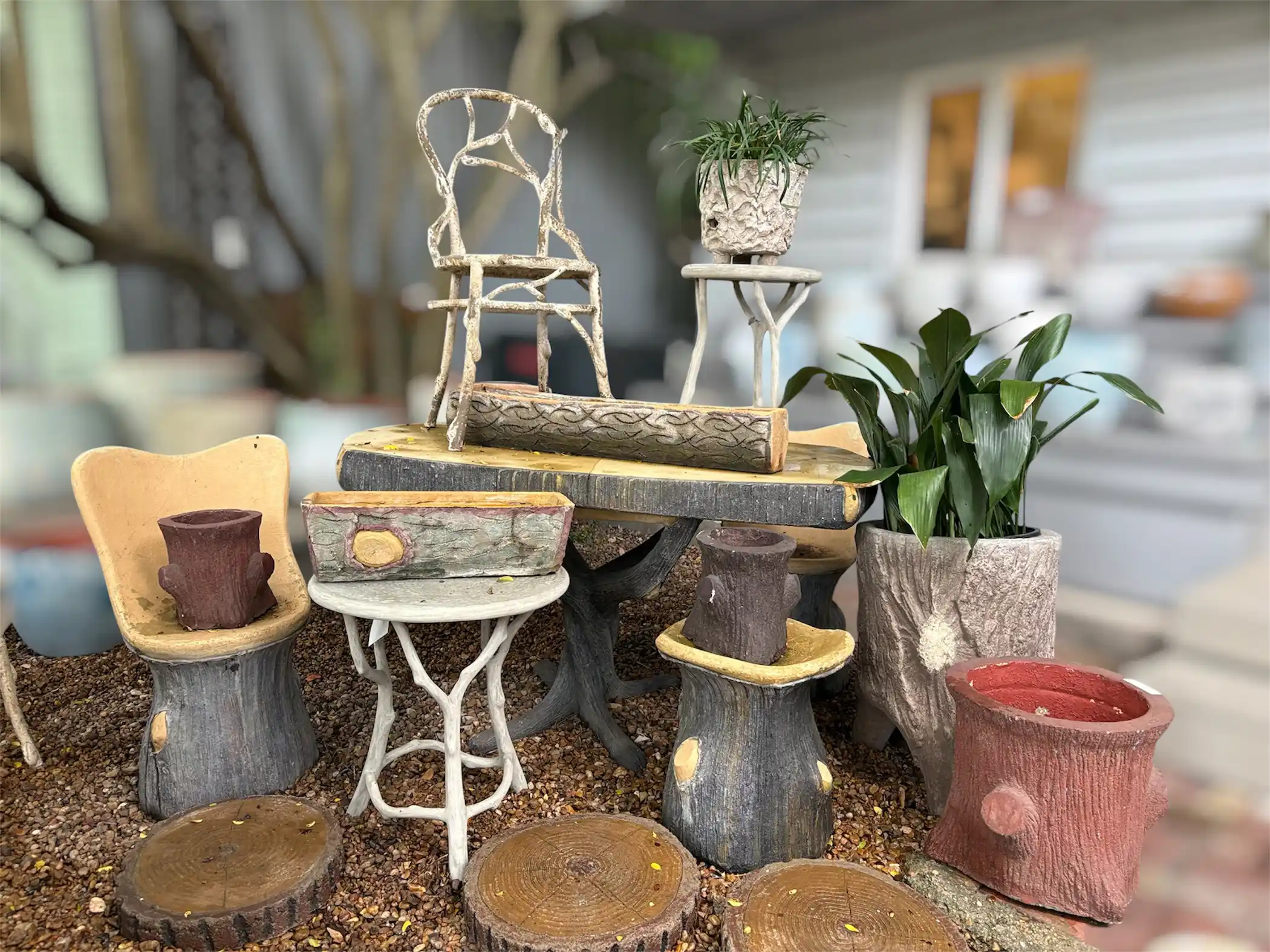
We currently have a wide selection of reproduction, vintage, and antique faux bois at our Houston Shop.
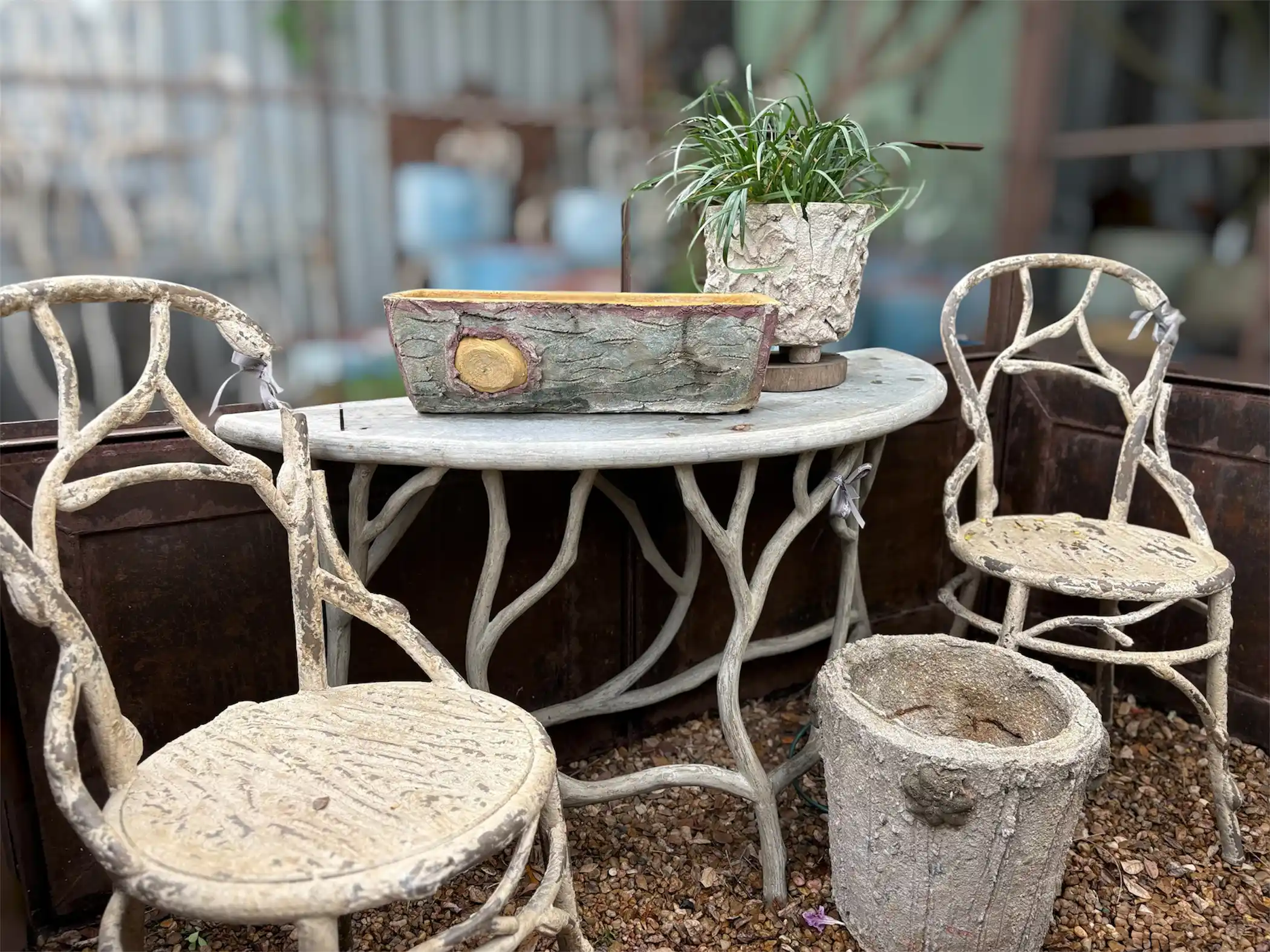
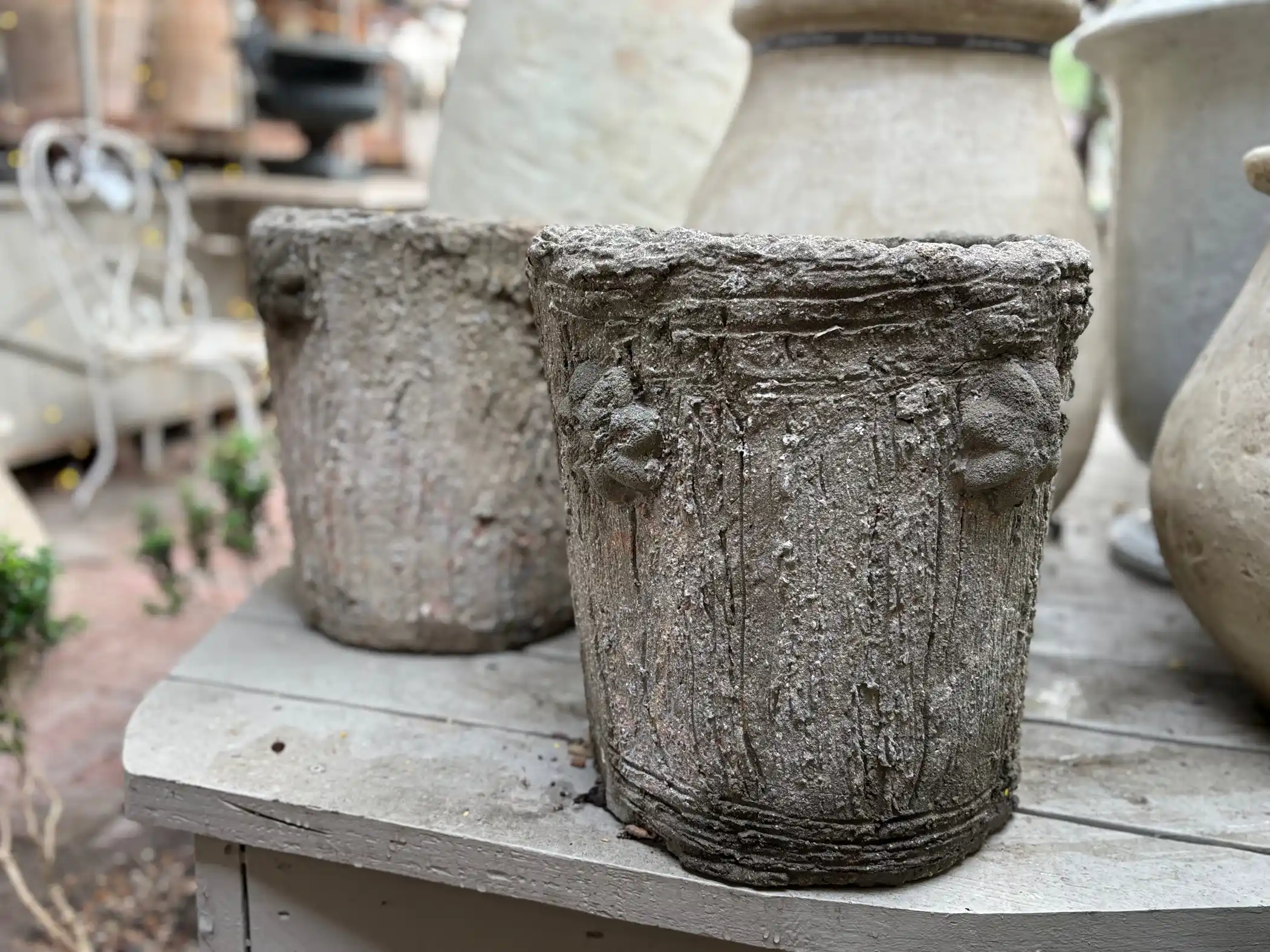
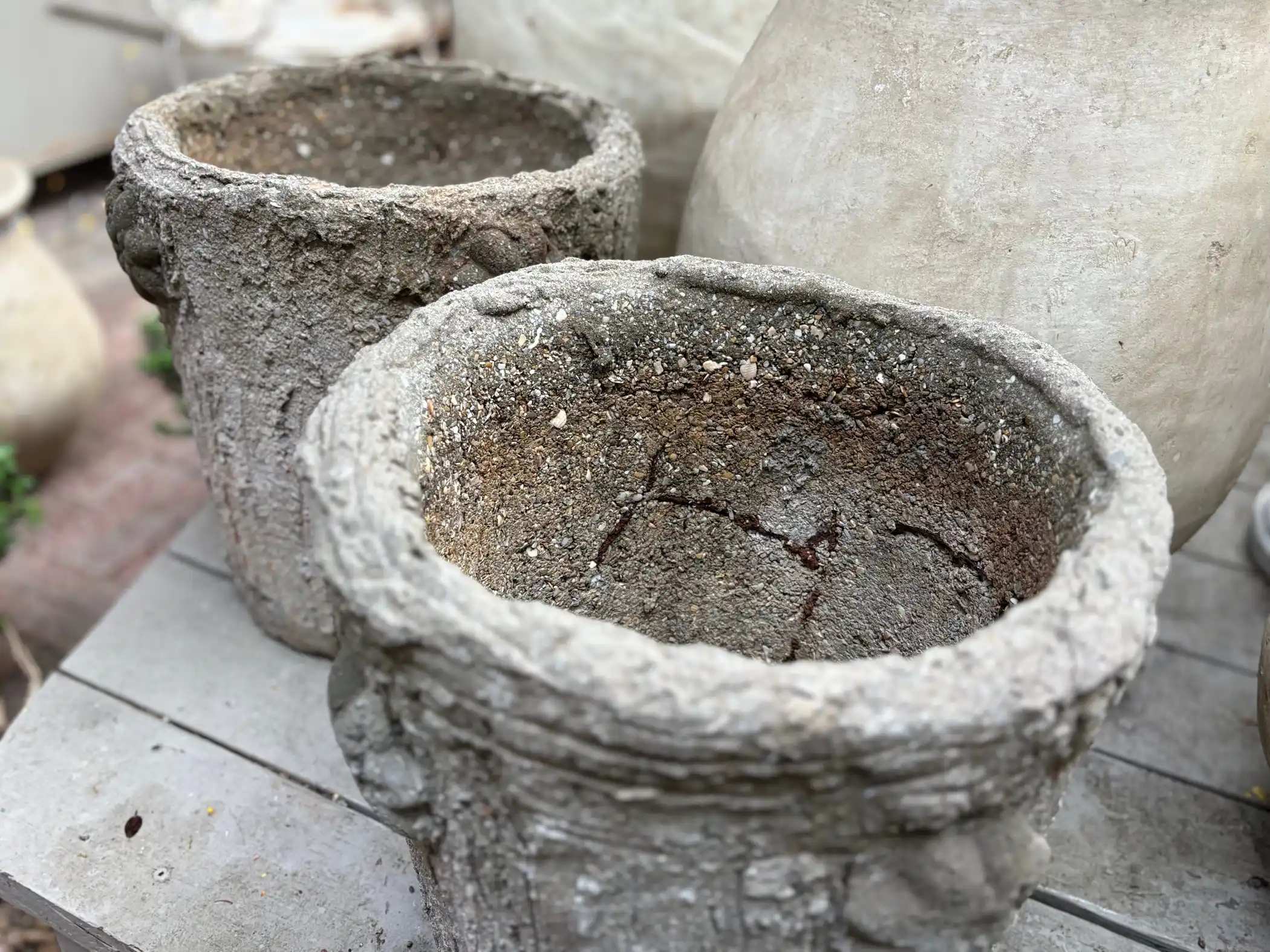
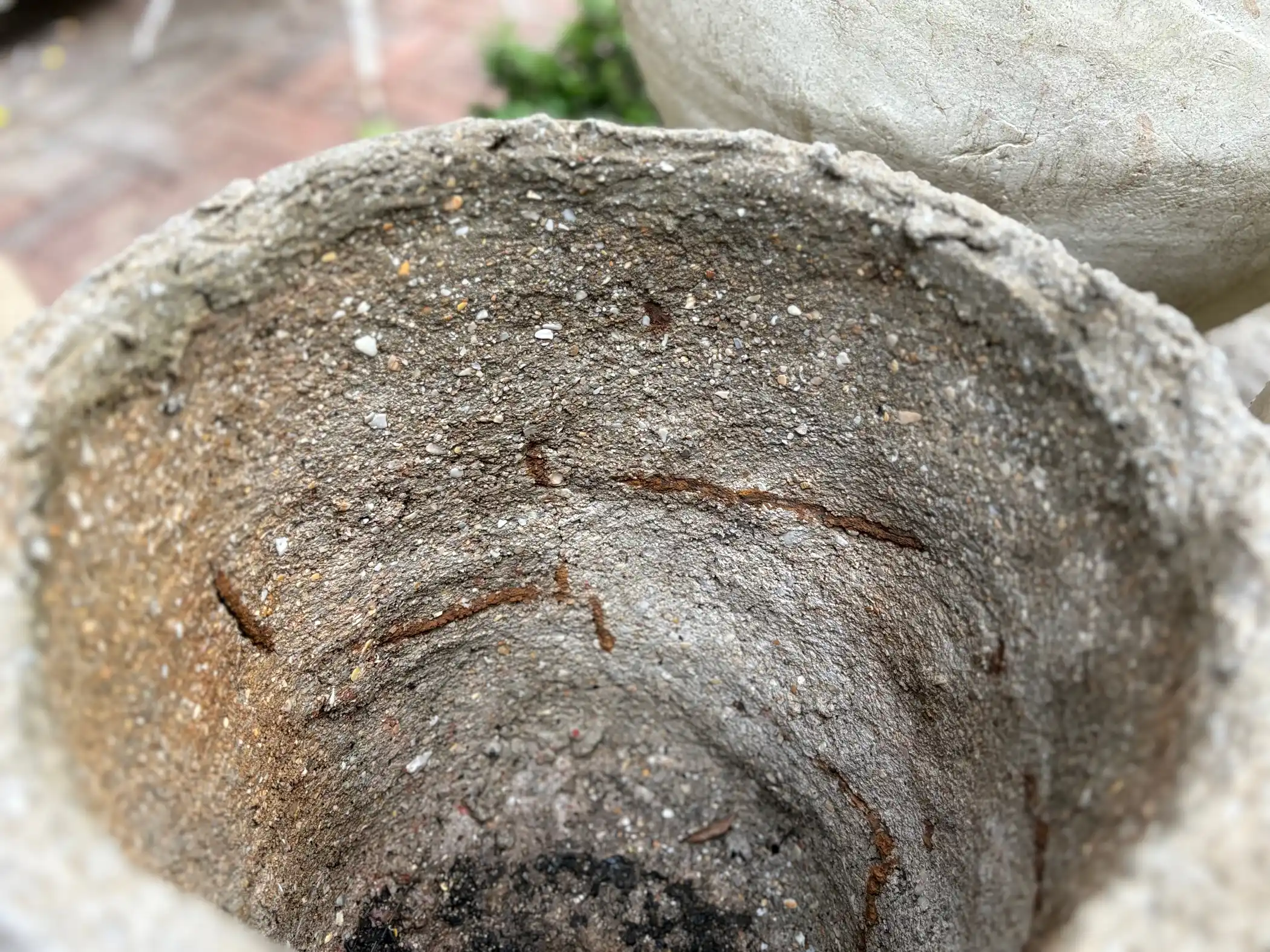
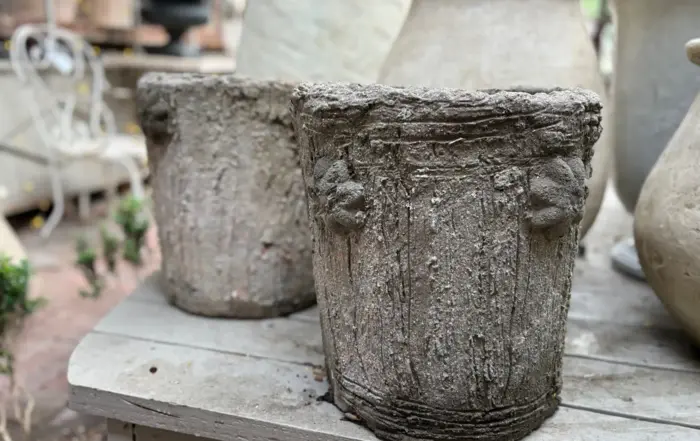
I’m obsessed with these antique stump planters we have from the 1880s.
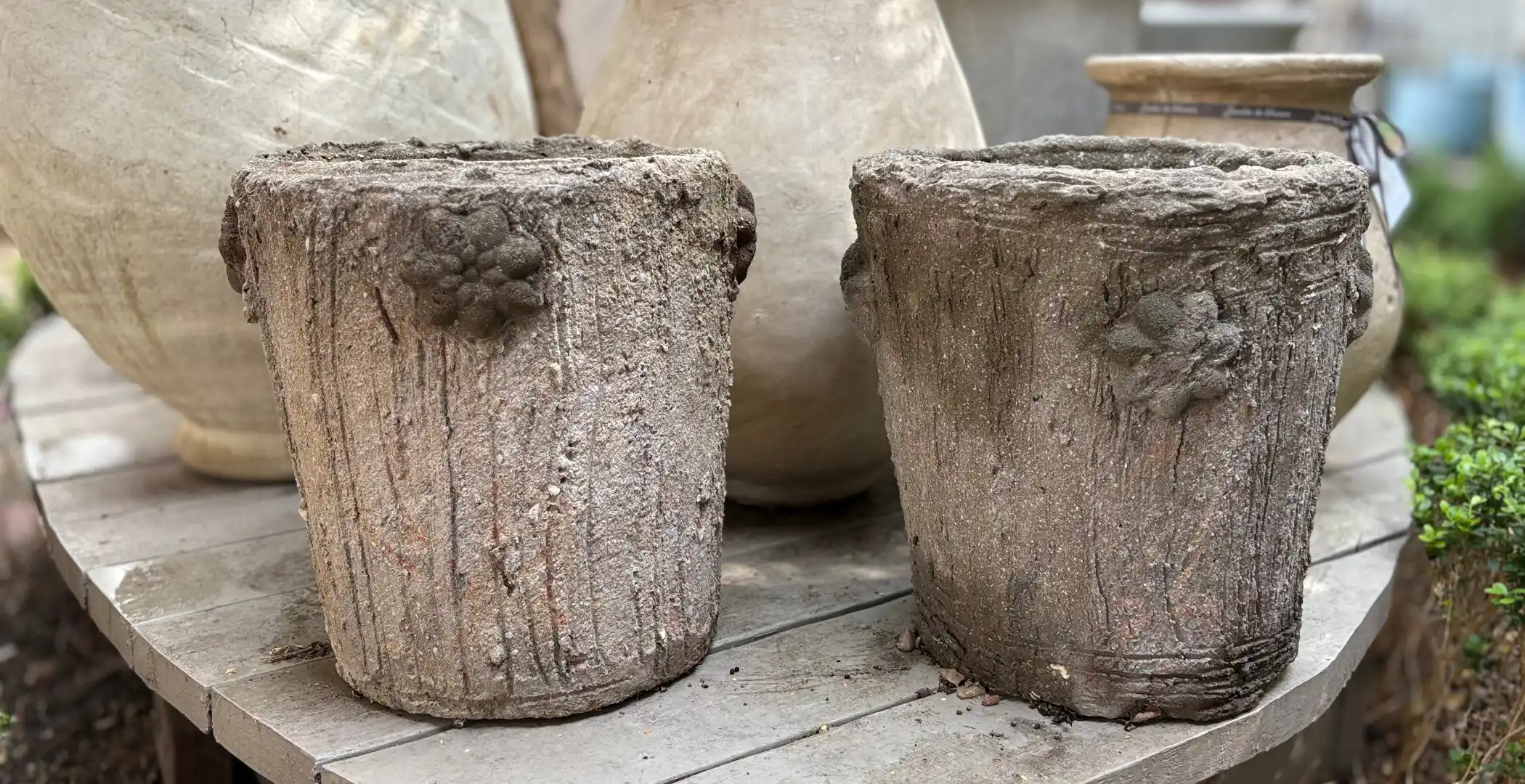
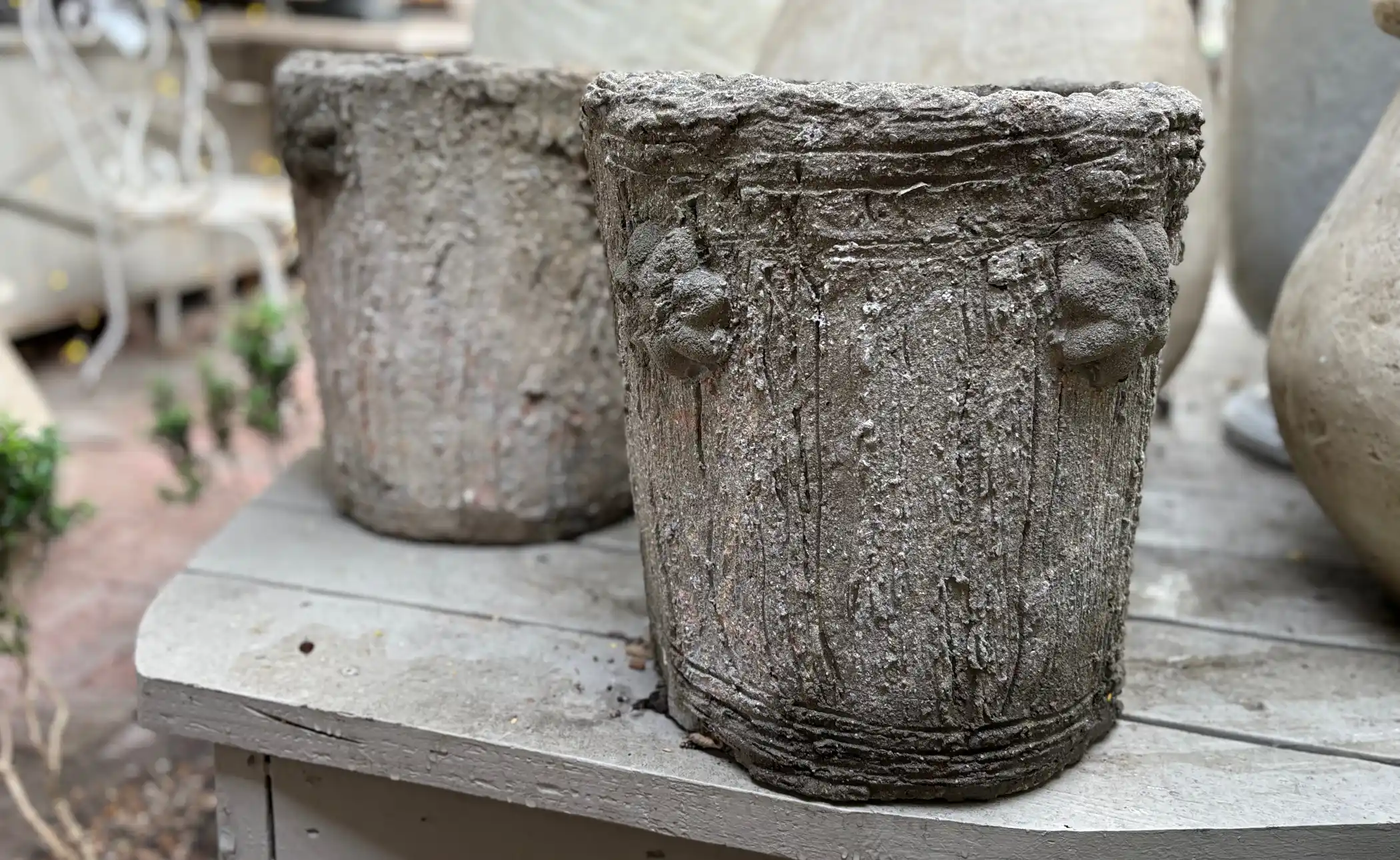
We can clearly date the pair because it is concrete poured over an iron skeleton (so post-Monsieur Monier’s 1867 patent), the exposed skeleton shows signs of advanced rust, and the cement consists of a primitive shale that was common at the end of the century — a true piece of faux bois history.
Phew!
If you made it all the way here to the end of my 3-part series with me, know how pleased I am that you enjoyed the story of faux bois enough to read what is my most detailed provenance article yet. This series was originally a single long article — Corinne took one look at it and said “babe this needs to be split up. People aren’t going to sit and read an article for 15 minutes about furniture that looks like wood.” So here we are!
All of my faux bois research was a learning journey for myself — it was actually that exposed iron skeleton in those stump planters that caught my eye and piqued my interest to learn more about them. Little did I know it would lead me down a month-long research hole about faux bois and inspire me to write another provenance story!
Until next time, mes amis — à bientôt!
The Art, Provenance and History of Faux Bois - Part 2Allez les Bleus at Jardin de FranceSign up to hear about upcoming events at all of our locations, from exclusive container first-looks to Saturday sip & shops.


[…] Season, JDF Houston Shop, Provenance StoriesPreviousThe Art, Provenance and History of Faux BoisNextThe Art, Provenance and History of Faux Bois – Part […]
Thank you for all of your research! When we purchase from you, it is so wonderful to know the history and background of our antiques in our home. It helps to make each item that much more special.
Thank you for the kind words Fran!