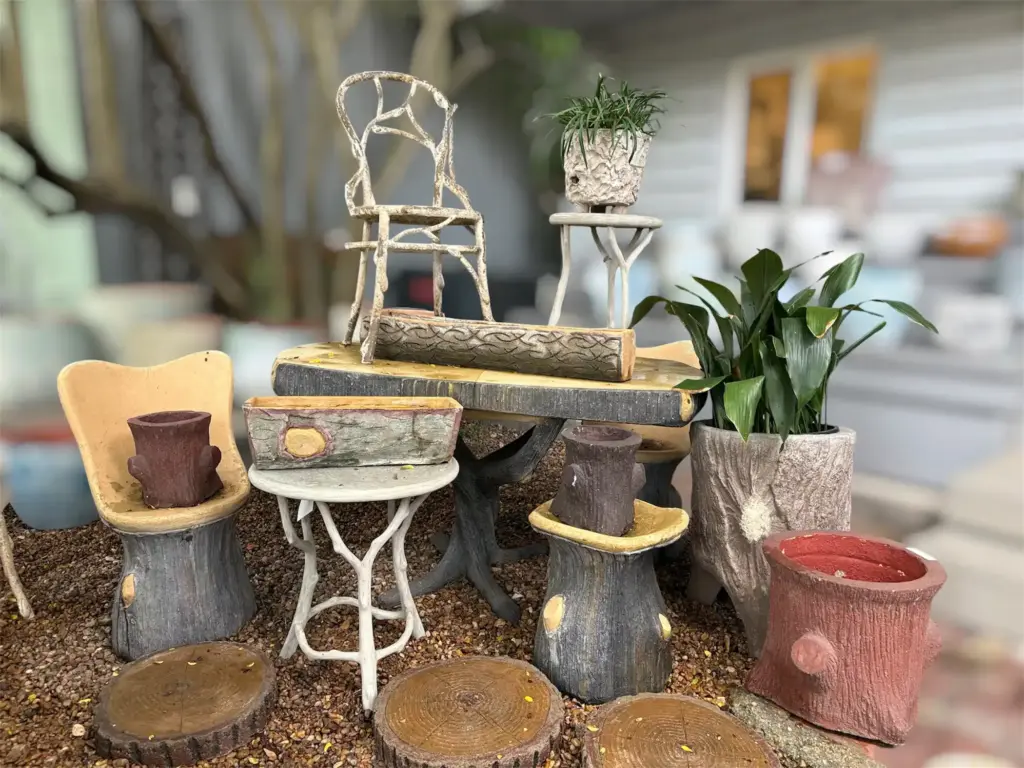
 The Art, Provenance and History of Faux Bois
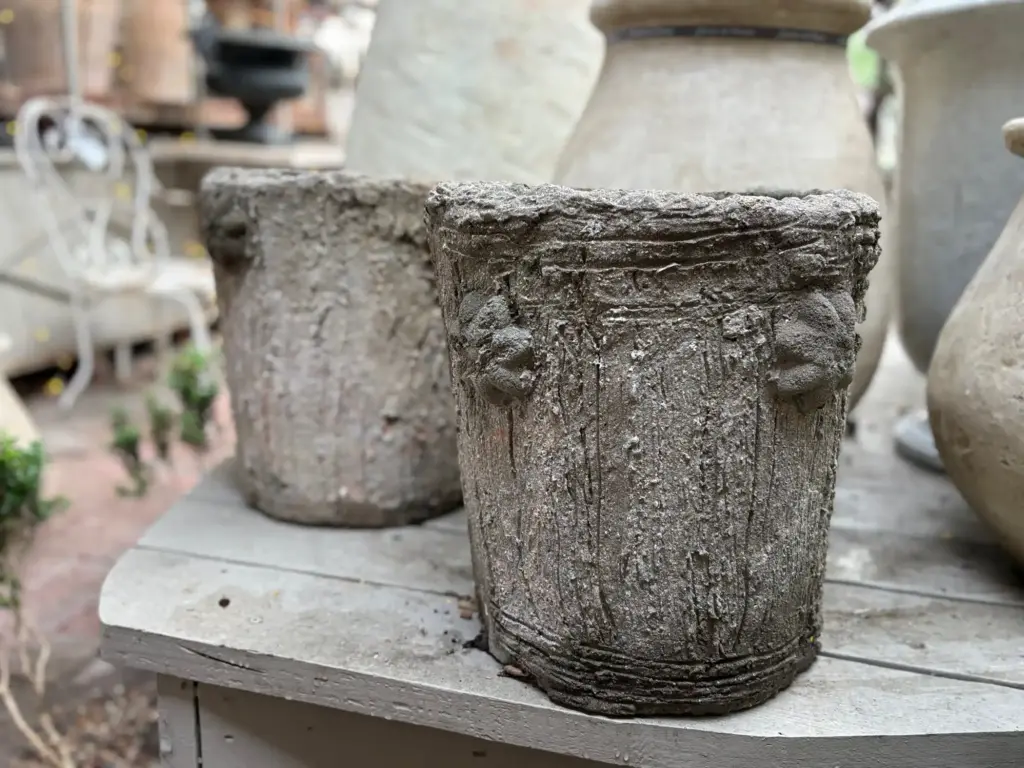 The Art, Provenance and History of Faux Bois - Part 3
The Art, Provenance and History of Faux Bois – Part 2
Nico’s Notes
This is the second article in my 3-part series all about the provenance of the French visual language of faux bois. Part 1 gave a run down on what faux bois is, and I said that Frenchman Joseph Monier is thought to be the inventor of the style. I wrapped up the article by teasing how that widely held belief is not entirely accurate.
Here’s a quick list of what Part 2 is about:
- The Rocailleur craftsmen and how they are the true originators of faux bois (plus what exactly rocaillage is)
- A brief explanation that Paris has not always been the beautiful City of Lights it is today, and how it underwent a massive transformation in the late-1800s
- And how the city’s renovations directly tie in to the story of faux bois
Allez, let’s get to it!
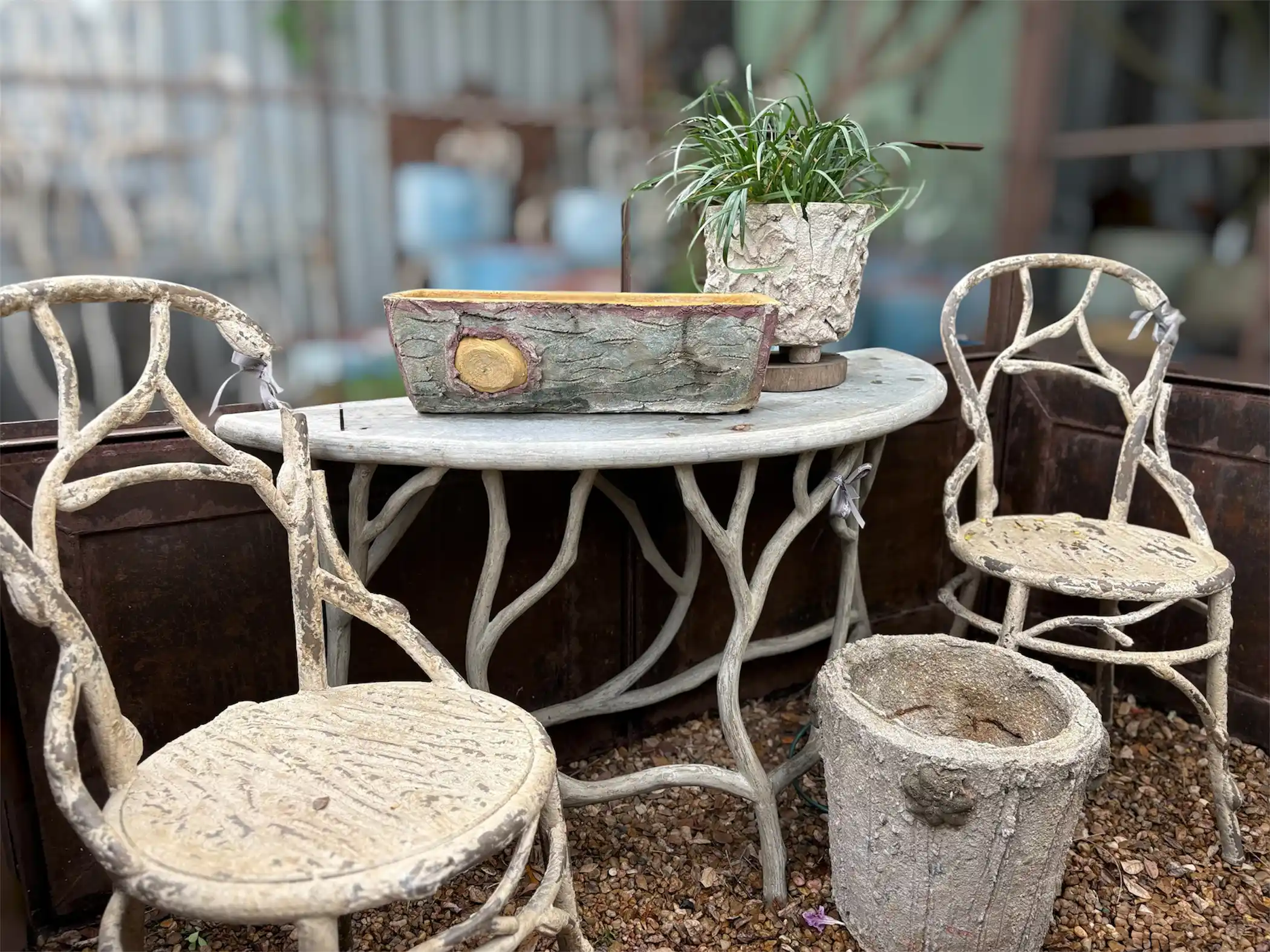
Enchanté, rocailleurs – nice to meet you!
Rocailleurs, which translates to “rock workers,” are the artisans who continued the Rococo tradition of rocaillage and picturesque garden-making, crafting grottos, cascades and waterfalls, rock structures and more, using man-made materials.
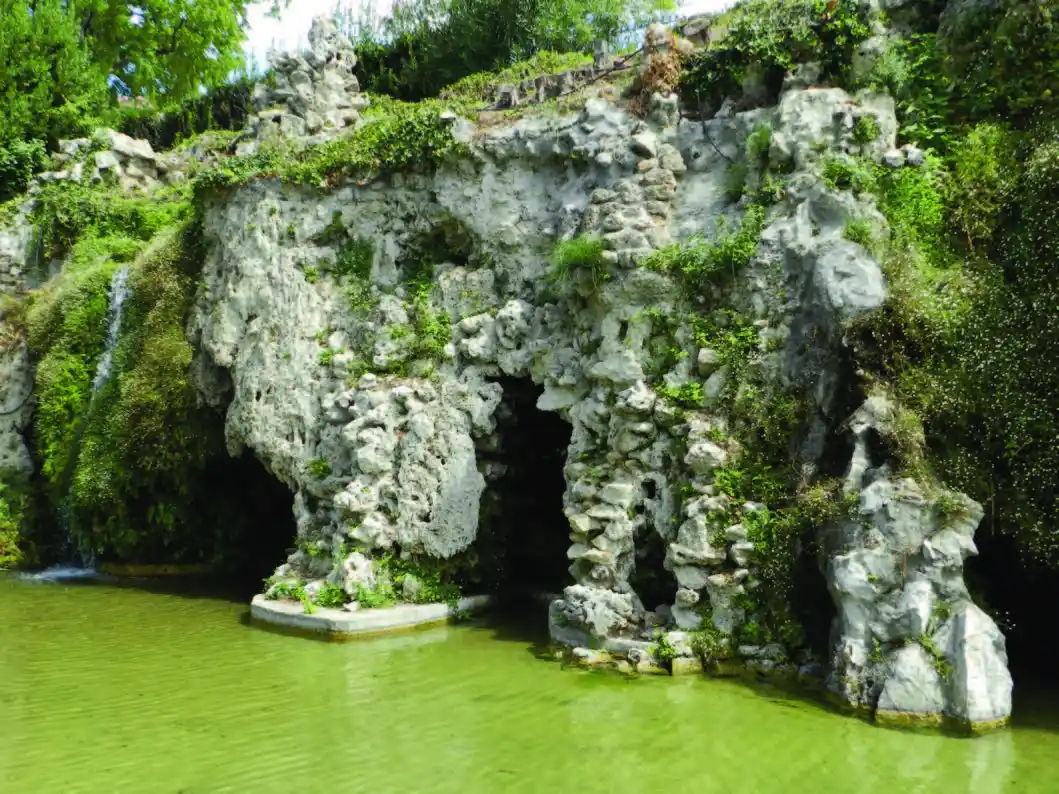
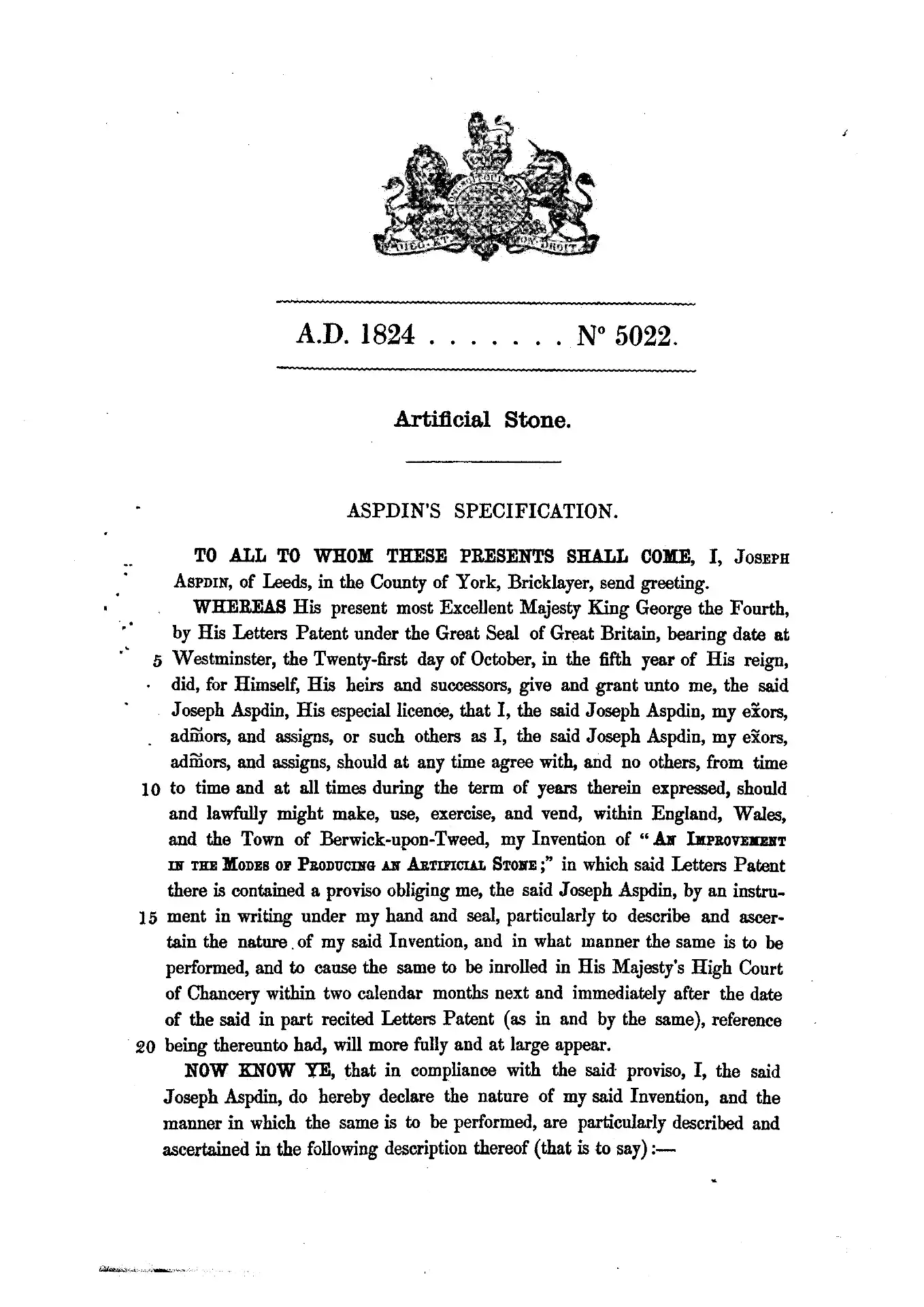
While the tradition of rocaillage stretched back centuries, it was the invention of Portland cement (which is the kind we still use today) by Englishman Joseph Aspdin in 1824 that really brought the fading art back into the cultural zeitgeist.
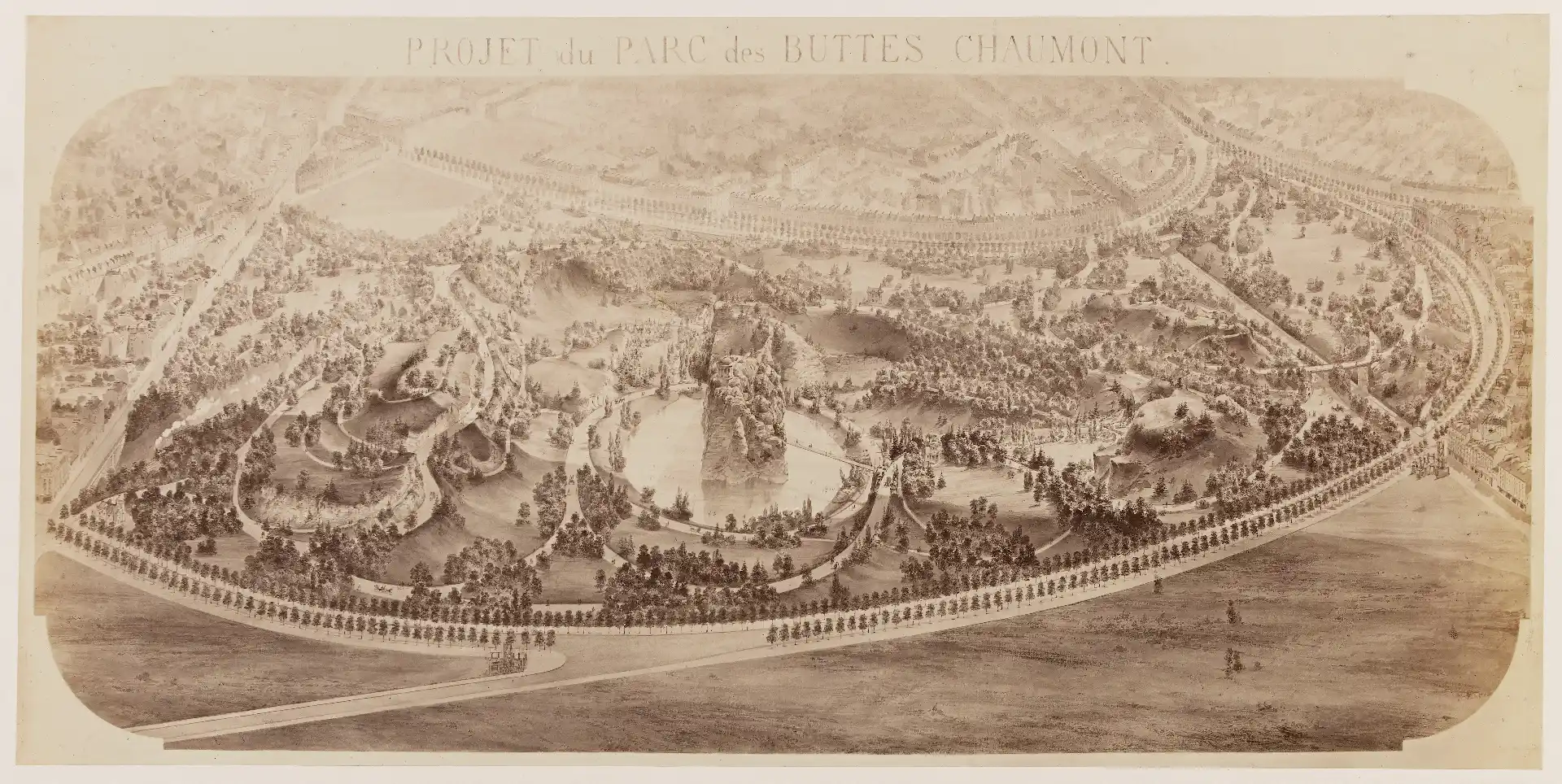
The advent of this new material, even before Monier’s reinforced variation, allowed for all new types of structures to be crafted in classic faux bois style. There is no better example of just how en vogue faux bois was in the mid-1800s than the creation of the Parc de Buttes-Chaumont in Paris (which I’ll elaborate on in a moment).
But first, a quick side note about the Renovation of Paris
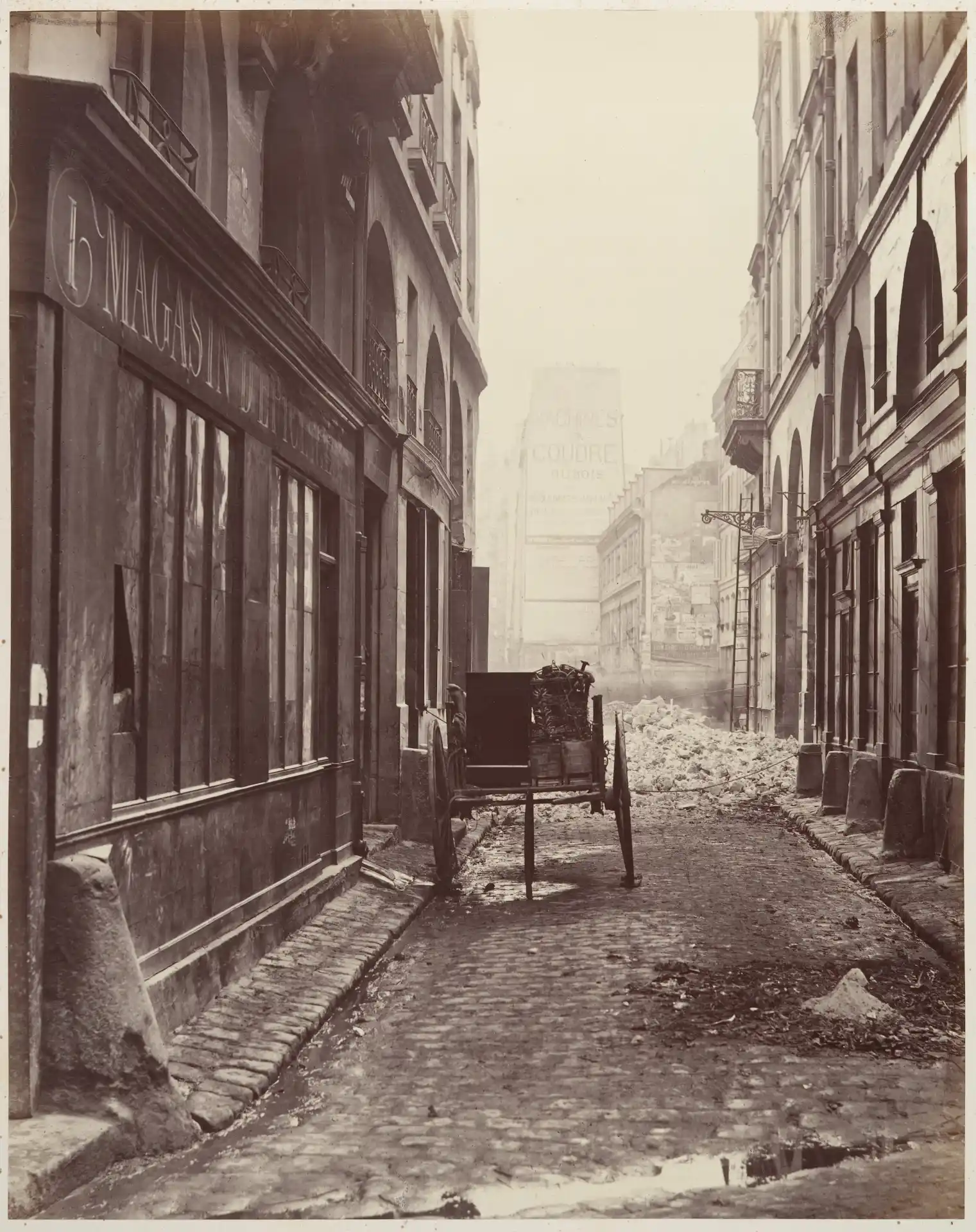
Paris was not always the beautiful City of Lights that she is today. Over the centuries, the medieval city had grown exponentially, but more importantly, organically, and without any planning. By the 1850s, the city was a giant network of narrow alleys and overcrowded tenement buildings, split in two by the River Seine.
In 1852, Napoleon III became emperor, ushering in the era of the Second French Empire, and he wanted to transform France’s capital into a shining beacon of French universal culture. The new emperor tapped Georges-Eugène Haussmann to bring a new sense of grandeur to the city, and Monsieur Haussmann immediately got to work.
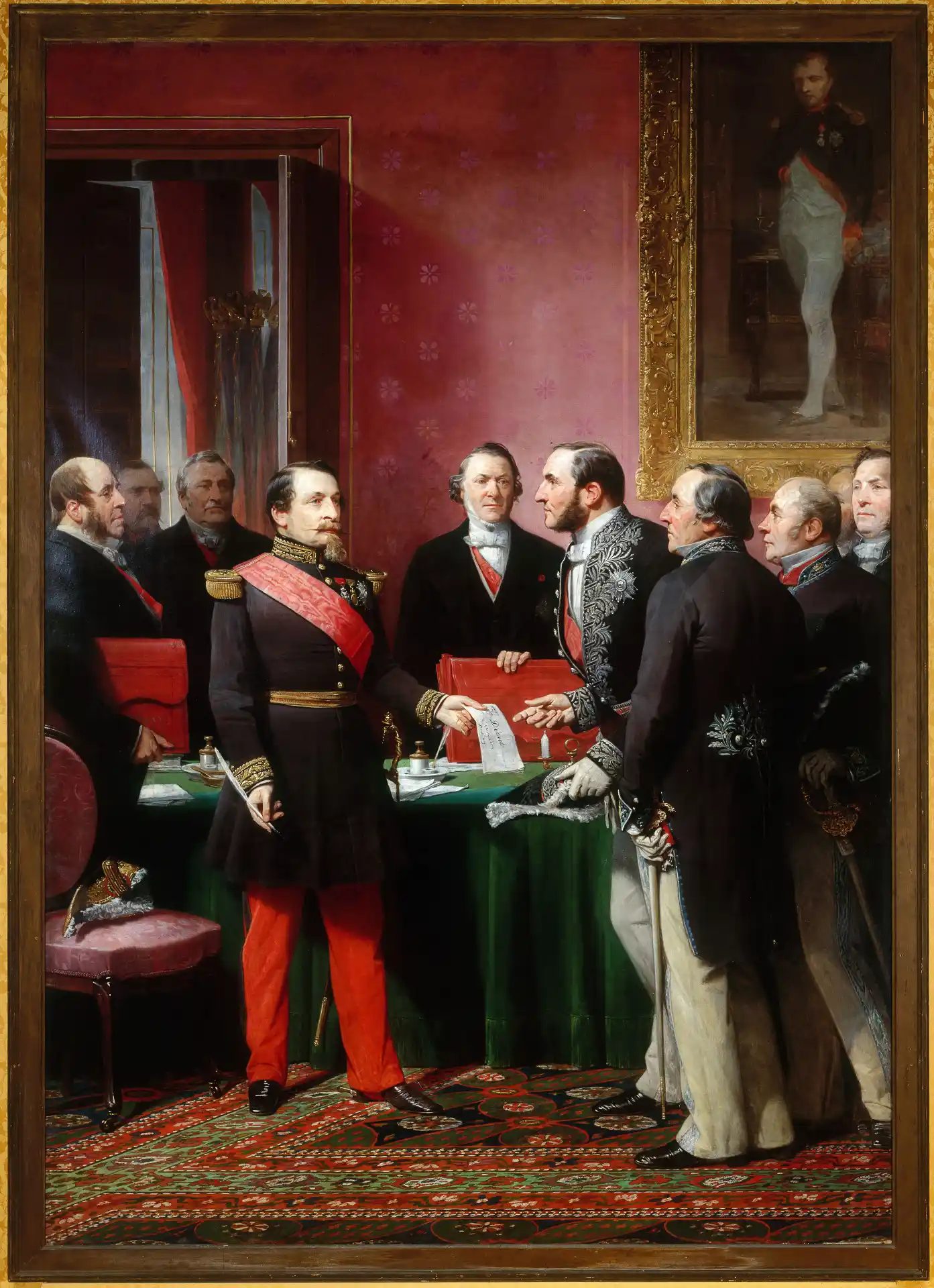
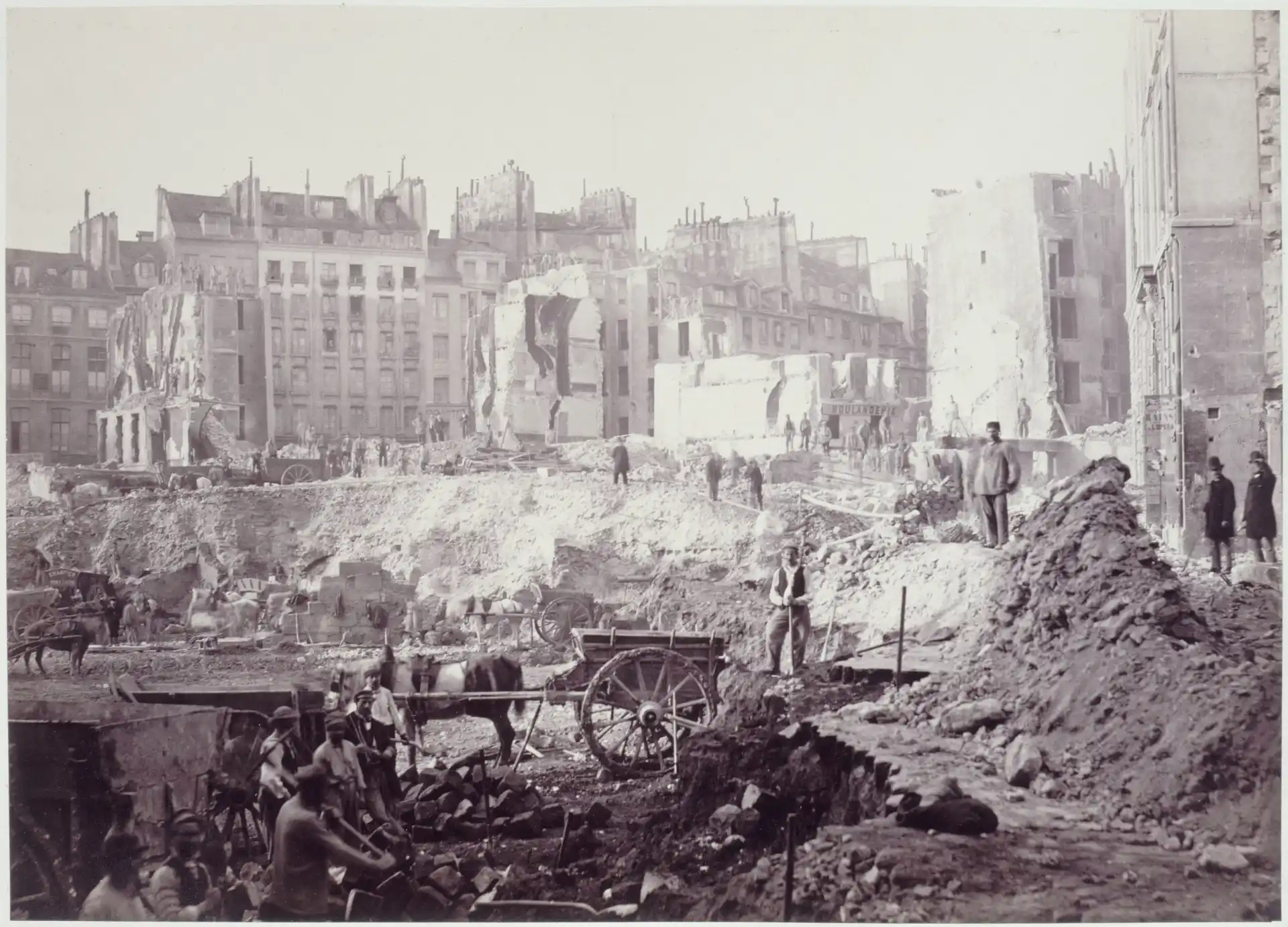
What exactly did Haussmann do?
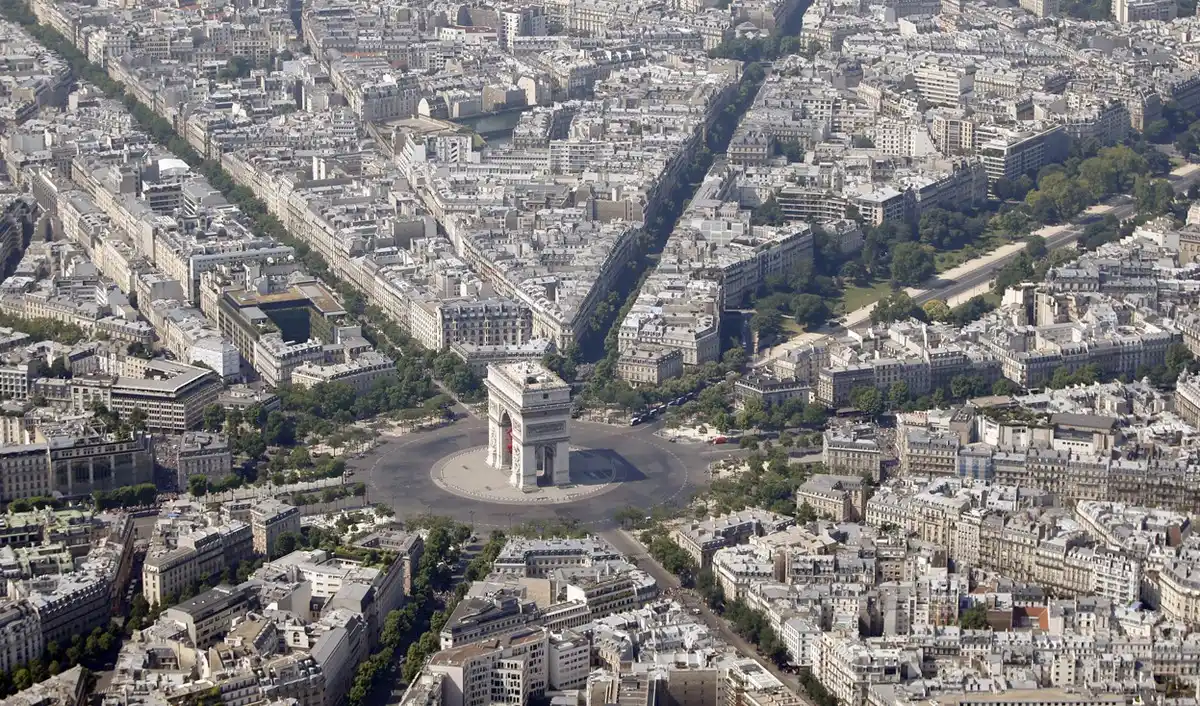
Monsieur Haussmann demolished entire sections of the city to make way for the master-planned grand boulevards and squares that connect all of Paris still today.
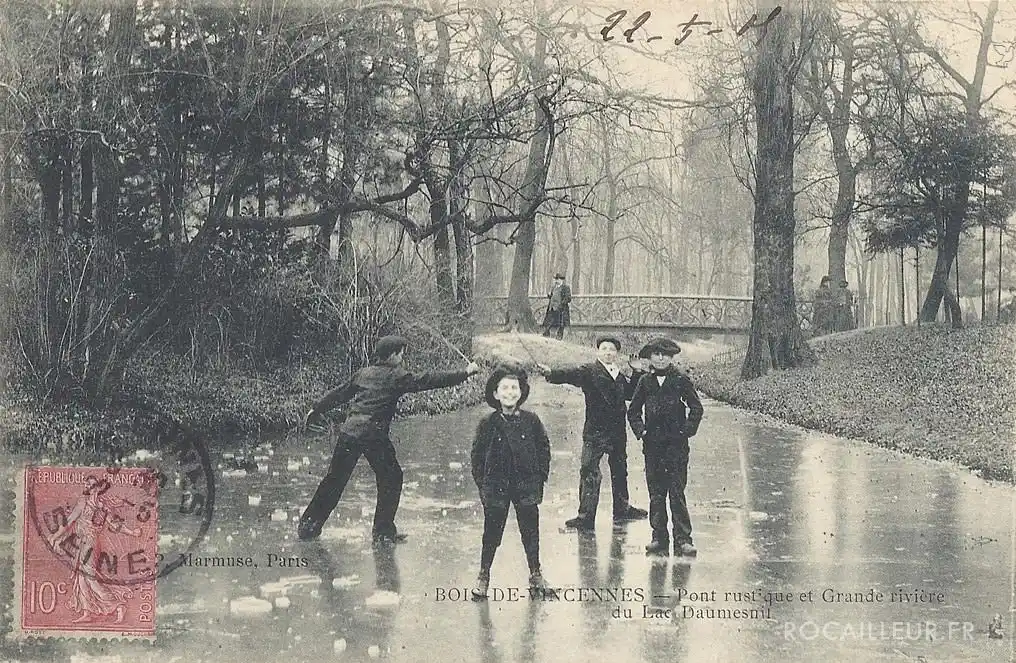
To complement this ongoing new road layout and public works program, Napoleon III also commissioned for the creation of more parks, such as the afore-mentioned Parc de Buttes-Chaumont, along with the Bois de Boulogne and Bois de Vincennes, which are still some of Paris’ most popular and beautiful parks.
So how is this related to faux bois?
This background about Paris directly ties into the history of faux bois. You see, during the Second French Empire, France was experiencing its own Industrial Revolution (similar to Britain), and the country was rapidly becoming more modernized — industrial production increased, railway lines multiplied and steam power grew. More significantly though, there was a massive shift of population from towns and villages into urban city centers, as people came looking for work in factories.
Amidst all of the societal changes that these trends of urban modernization were creating, people were desiring for a return to a romanticized nature. The renovation of Paris and the creation of the city’s many new open-air parcs and jardins created the space for faux bois as a design language to flourish.
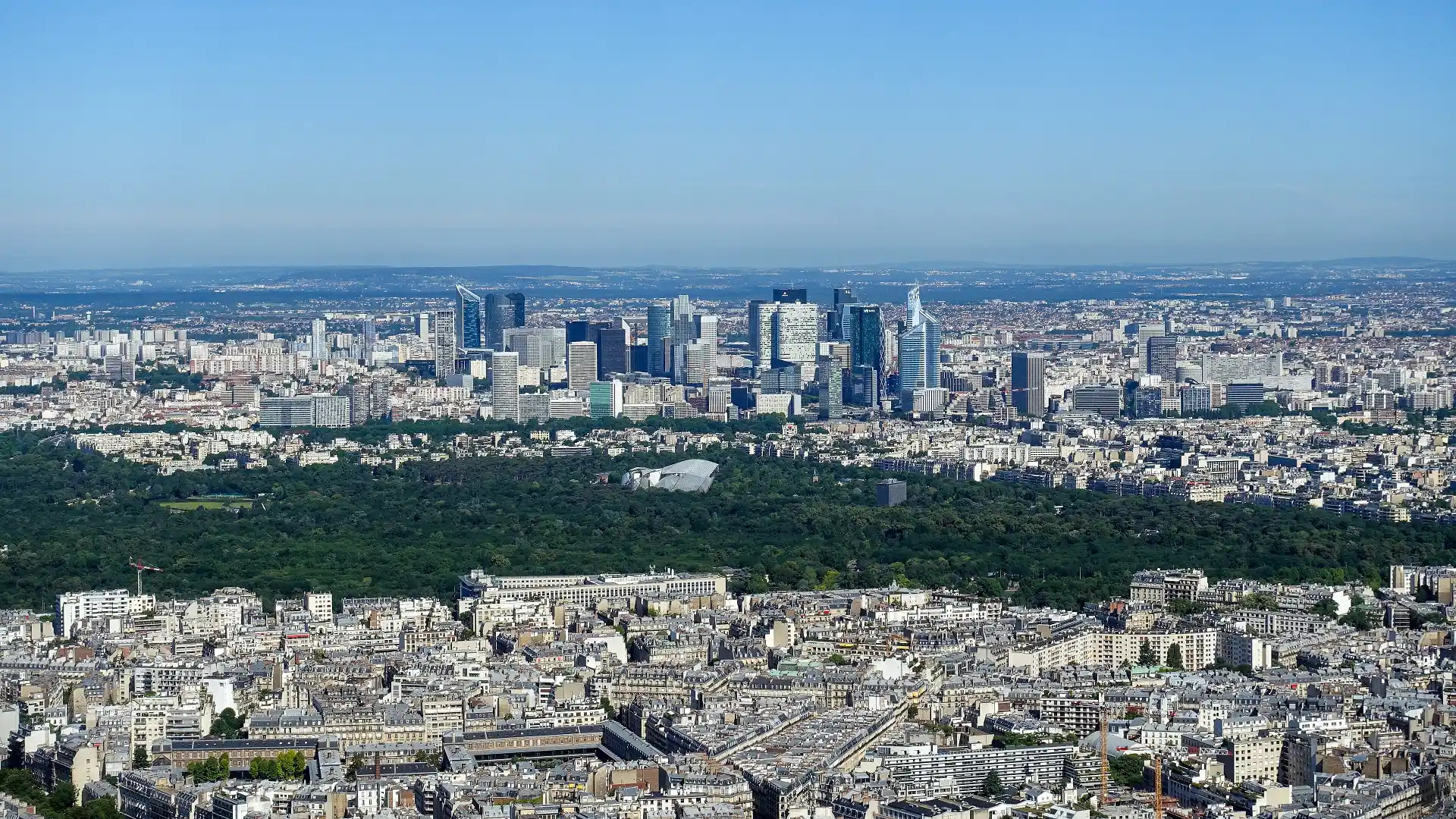
Let’s go back to Parc de Buttes-Chaumont
The design and construction of Parc de Buttes-Chaumont is the perfect example of Napoleon III’s public works programs, and how integral faux bois was to Haussmann’s renovations.
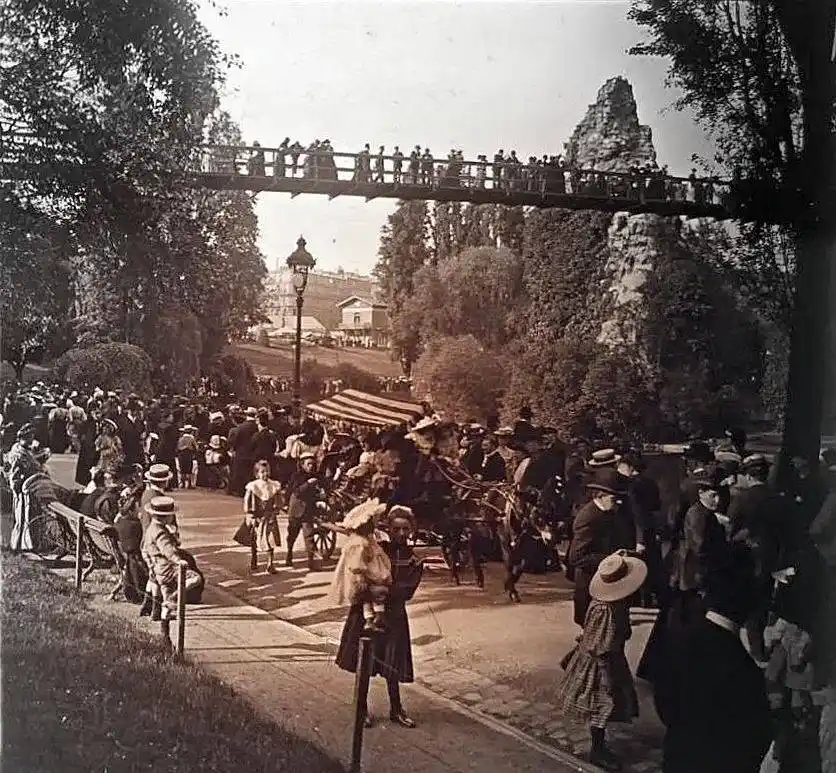
The park was built on a former gypsum quarry – a nearly desolate landscape on the very edges of the growing city. In fact, Parc des Buttes-Chaumont roughly translates to “the park of the barren hills.”
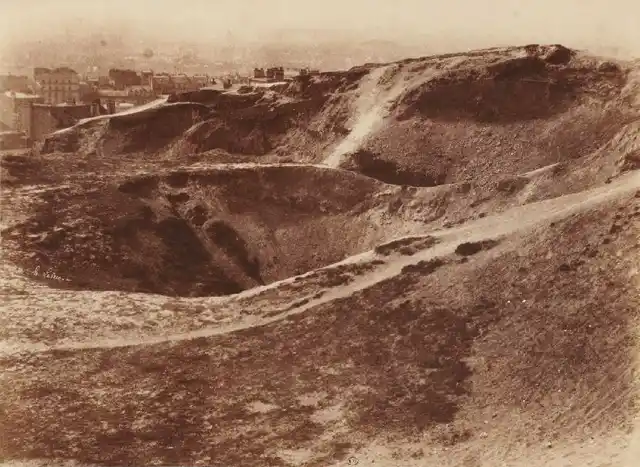
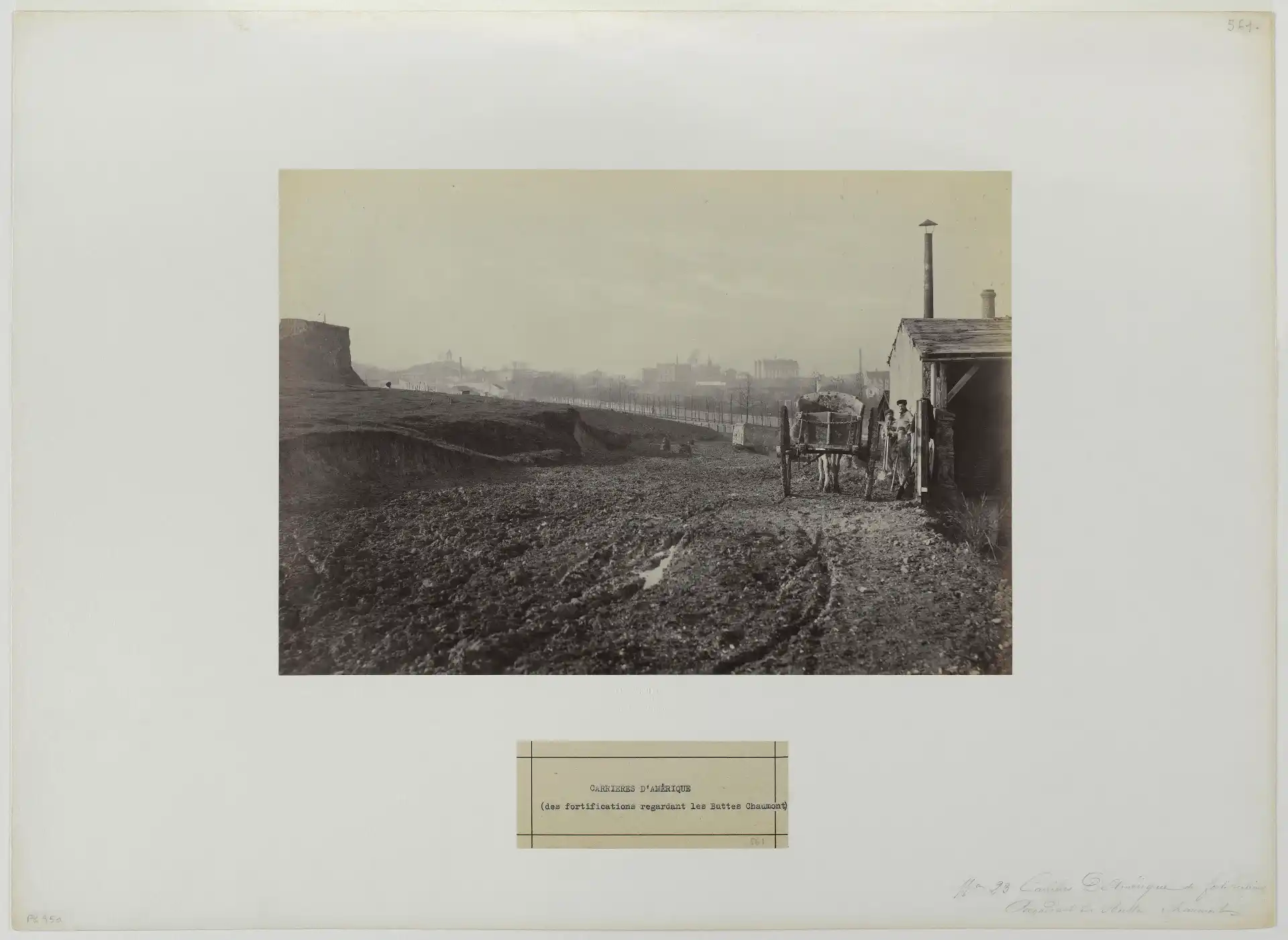
The defining feature of the park is the small island protruding from the center of a man-made lake (waterscaping was also a new technology of the time). The entire cliffside of the island was artificially shaped by rocailleurs with concrete, and then covered with tonnes of dirt to allow vegetation to begin growing again in the new park.
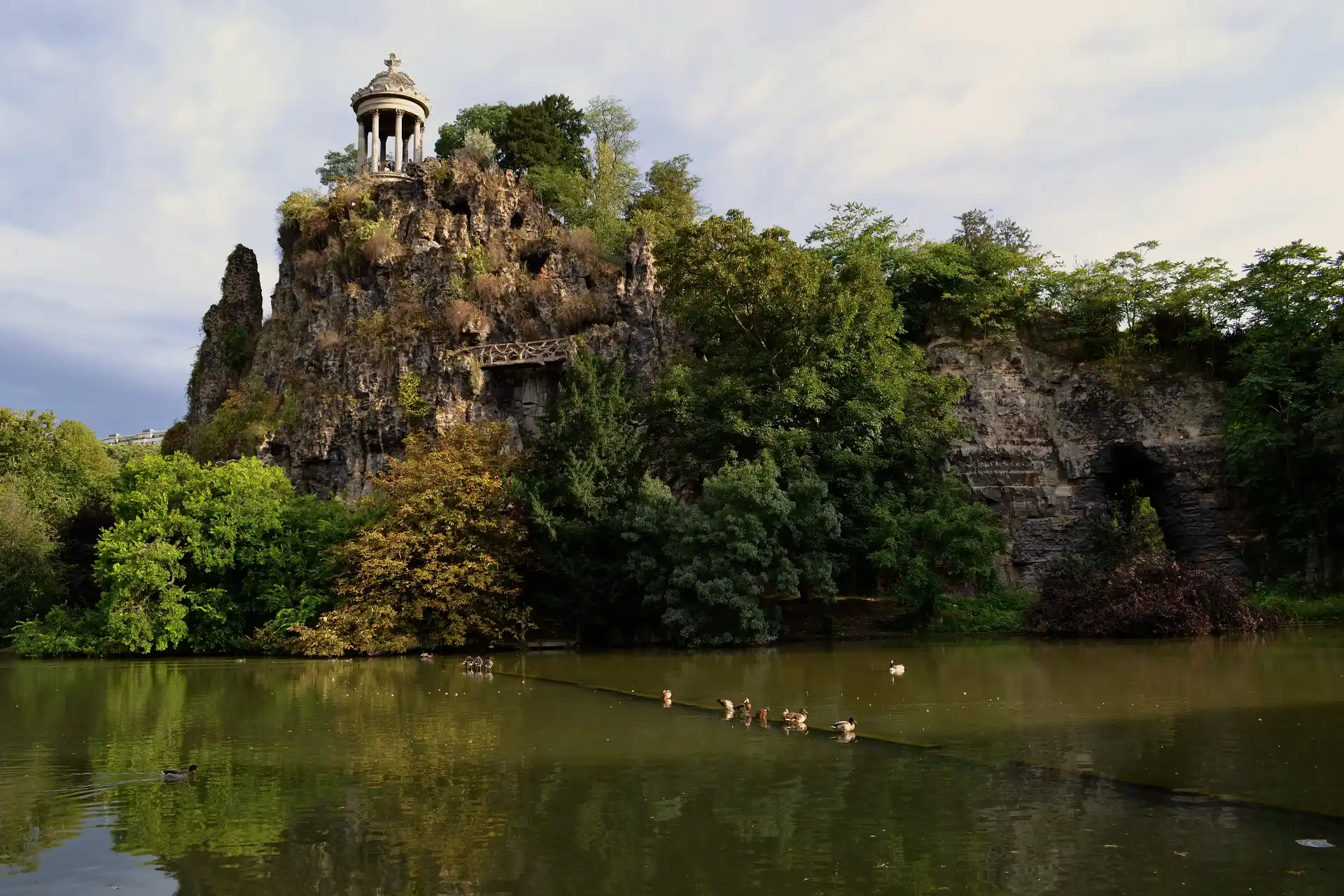
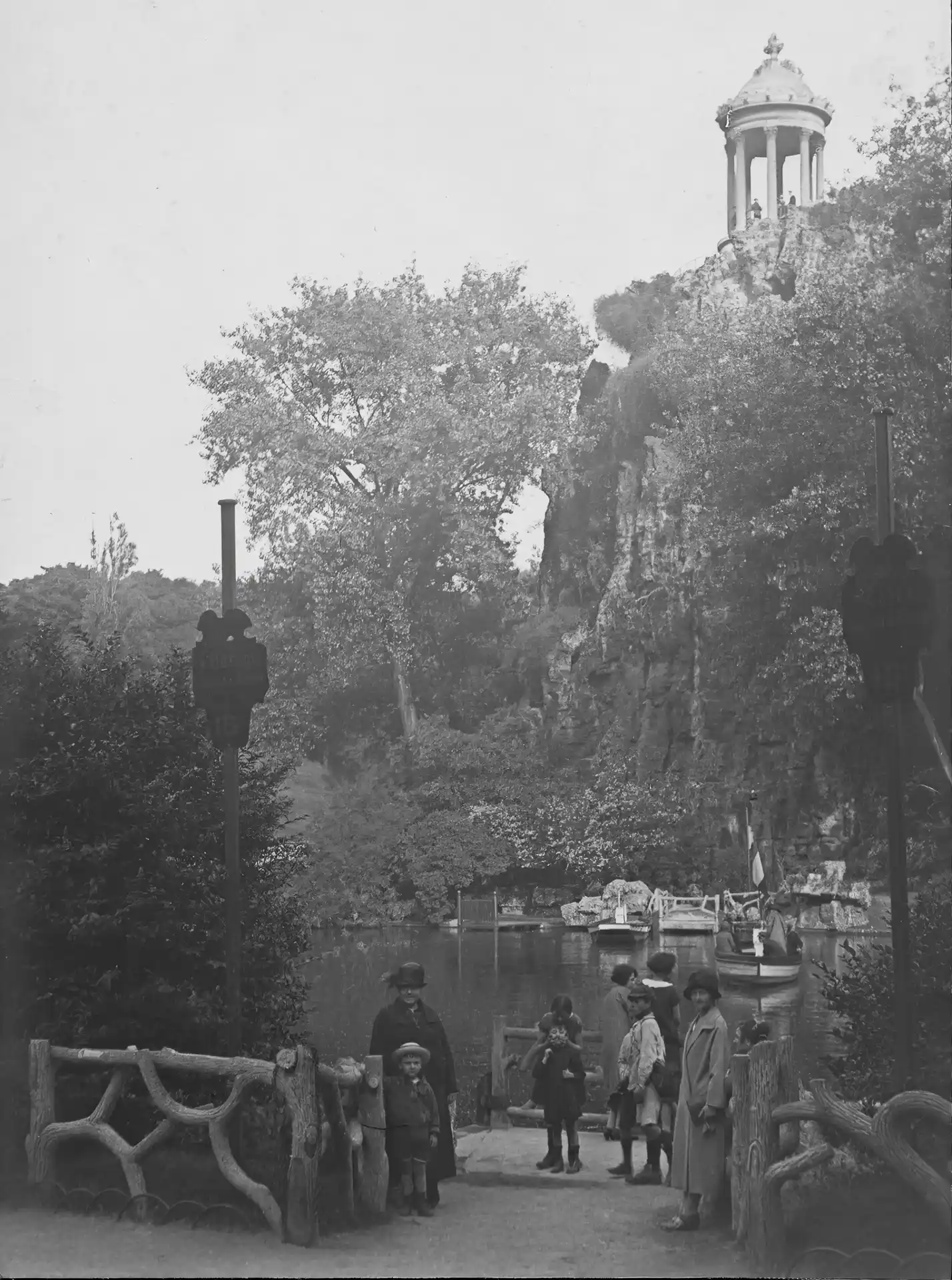
To accompany this masterful work of rocaillage, there are faux bois bridges, railings and kiosks in the park. Park construction began in 1864 and was completed in 1867, right in time for the Exposition Universelle de 1867 in Paris. All of this work predates Monsieur Monier’s faux bois bridge of 1875.
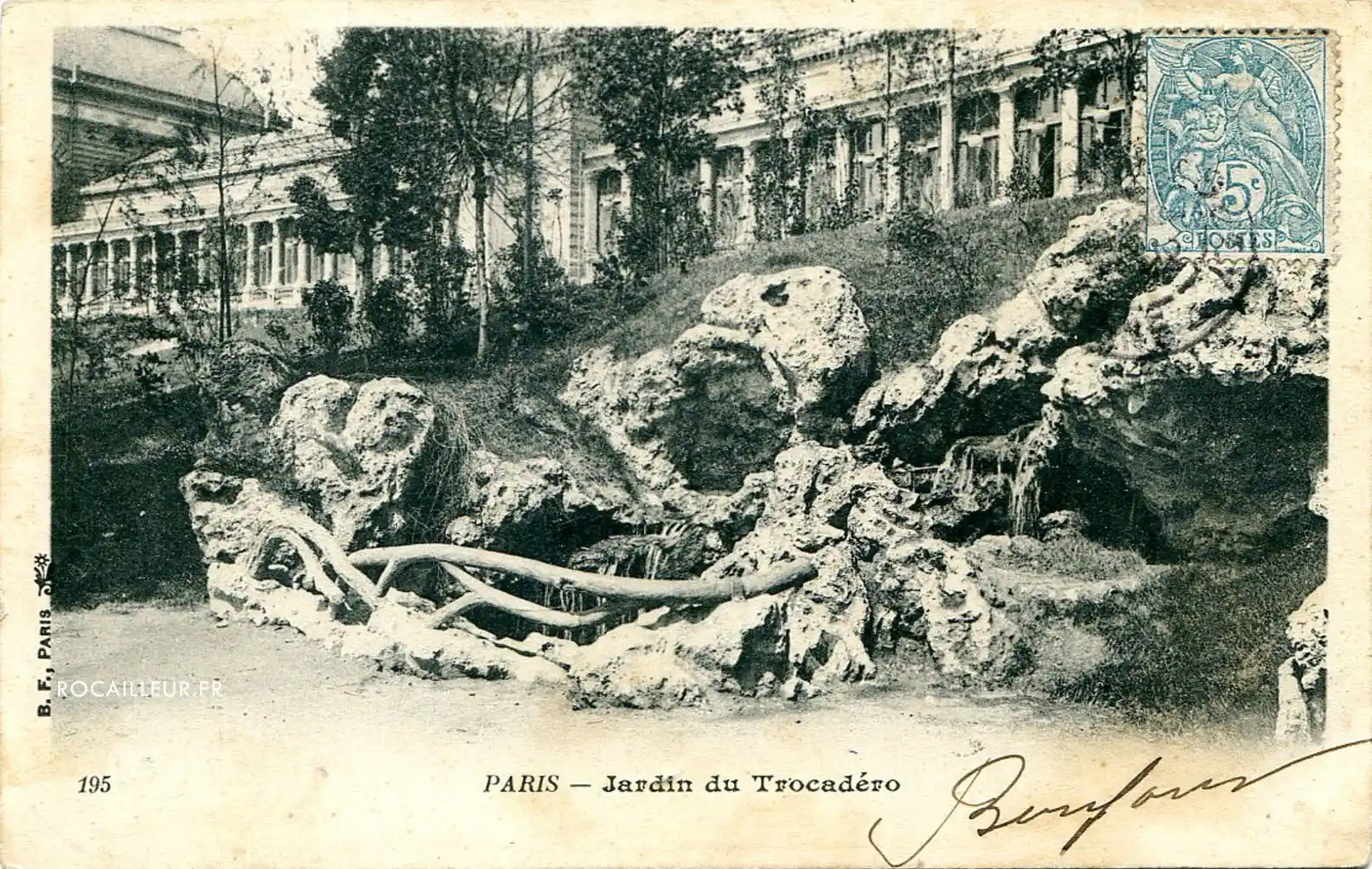
And it is not only in Parc des Buttes-Chaumont that we can find faux bois in Paris. From the cascades and artificial cliffs in the Bois de Boulogne, to the parks outside Trocadero, and even to the steps by Sacré-Cœur in Montmartre (where I proposed to Corinne!), faux bois can still be found all over the city today.
Video credit to Virginia-based faux bois furniture artisan Diane Husson @hussonfauxbois
Part 2 is fini and finished!
In the 3rd and final part of the faux bois series, I will wrap up the story by going over:
- The Art Nouveau movement and how it was the golden age of faux bois
- WW1 and it forcing the end of faux bois’ peak in Europe
- How the art form has crossed continents in the trabajo rústico tradition and lives on today
The Art, Provenance and History of Faux BoisThe Art, Provenance and History of Faux Bois - Part 3Sign up to hear about upcoming events at all of our locations, from exclusive container first-looks to Saturday sip & shops.



[…] Shop, Garden Season, JDF Houston Shop, Provenance StoriesPreviousThe French Art of Beautiful StorageNextThe Art, Provenance and History of Faux Bois – Part […]
[…] On: April 17, 2026Categories: Around the Shop, Garden Season, JDF Houston Shop, Provenance StoriesPreviousThe Art, Provenance and History of Faux Bois – Part […]